A couple of years ago I was cycling around the ex-garbage dump that is the St-Michel Environmental Complex in Montreal North, collecting details for a scene in my novel.
I pedaled across the street from the Complex’s Cirque du Soleil headquarters, and peered through the windows of the National Circus School. Inside was a highly padded gym-like space, full of pulleys and ropes – and some very fit teenagers. Not wanting to be taken for a peeping-creep, I dashed around to the front reception and asked if they offered tours.
I attended the school’s open house the following week, hoping to gather useful tidbits to feather my scene’s nest. As it happens, I was also stepping into my next crazy-making topic of all-consuming passion: a creative non-fiction book for children, featuring the lives of students at the National Circus School. My next Great Idea.
I surprised myself as I blustered my way into the institution through emails, meetings and follow-up proposals. They had a responsibility to share their story with the world, I insisted. The guilt-trip finally seemed to convince the school’s extremely busy (and intimidating) directors. They were swayed by my conviction: this was a Great Idea.
Everyone will want to read about these young superheroes, facing down risk and their own limits every day. They’ll be charmed by the gaspésien who left home to pursue juggling. They’ll be impressed by that skinny little twelve-year-old who boards at the school, so he can train twenty hours a week in addition to his full academic schedule. Readers will gasp as the eighth-grader makes her first tightwire jump; they’ll wince as the cruel wire tries to bisect her feet. Ultimately, just like me, readers will be fascinated by an inside peek at the tremendous efforts these young people make so that their performances can look easy to the rest of us.

As I began my visits and interviews, “Why not?” seemed to be the motto of the school. It’s what they tell one another in response to every new and impossible notion. (Stand on your partner’s shoulders, jump into a back flip and land back on – why not? Now do it en pointe, in ballet toe-shoes – why not?)
“Why not?” It’s what the aerial instructor said when I asked if someone like me (old and untrained) might learn rope. I signed up for aerial classes at my local community centre and, week after demoralizing week, was the sole student unable to pull herself off the ground. Yet somehow, when it was finally over, I signed up with a private trainer at a circus studio and carried on. If nothing else, my acrobatics training would make me better equipped to relay The Great Idea to a waiting world. Publishers would scramble for my original material, appreciating its historic value and the uplifting message that we may achieve the impossible, whatever that means to each of us. This Great Idea was a winner – a shoo-in.
Now I’m thinking, passionate belief like this is just nature’s way of getting books written. I wish it got them published, too.
But that’s the other part of the writing life: when I gain new perspective on The Great Idea. Over lunch, one editor speculated on the cost of producing my full-colour, fully illustrated Idea. Responses came in from more editors: “The circus school certainly seems like an interesting place,” (but no thanks). “I loved your proposal, but that wasn’t enough to convince the powers that be.” Passion died, and determination stepped up, struggling against quaking doubt. Would anyone want my Great Idea? Would it receive the blessings of timing and dumb luck that brought past manuscripts to print? Or had my portion of blessings run out?
At this stage, keeping faith is huge: you have to believe that one day all this thinking and writing will be a real book. This requires that my ears and my mind stay open – and that I conserve effort, to avoid burnout. I listen to feedback; I try to be flexible because The Great Idea deserves to be among readers. But there’s any number of great ideas floating around out there, looking for a publisher. (Which is actually a comfort, when I’m feeling more mature.)

Maybe this pause in progress (I won’t call it a halt) is a necessary stage in the forging process. Maybe it will shape up my Idea and make it stronger. I remind myself of the reason these circus kids inspire me so – they push their limits, they never give up.
After the latest rejection, I transformed disappointment, frustration and the urge to throw a hissy fit into a new series of emails. I sought publishing leads, editors’ names, introductions to agents – anything to get The Idea some notice. And it worked. I still don’t have a book contract, but I have more leads to pursue, and the support and interest of fellow writers. It’s enough; for now, it’s everything.
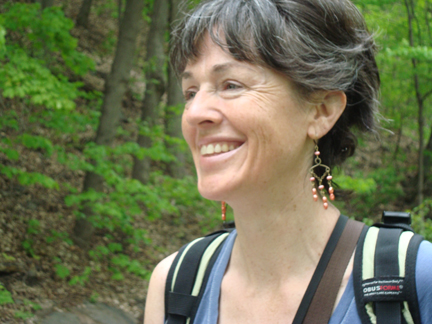
 Raquel Rivera is the author of three books for children, and the aspiring author of four more. Her author website is at www.imho-reviews.com/raquel. Photo credits: Raquel Rivera