It wasn’t reading the classics that convinced me to become a writer. My gateway drug to the world of letters was zines—cheap, photocopied, self-published magazines filled with their authors’ reflections on the world.
Over twenty years later I still remember some of the first zines I read in the early 1990s. There was Saucy, a thick zine from Cornwall featuring interviews with bands. There was a bilingual political zine from Hull, titled Moo in English and Meuh in French, where I first read about vegetarianism. And there was Design 816, full of personal essays, which I picked up when the author was visiting Ottawa from Chicago.
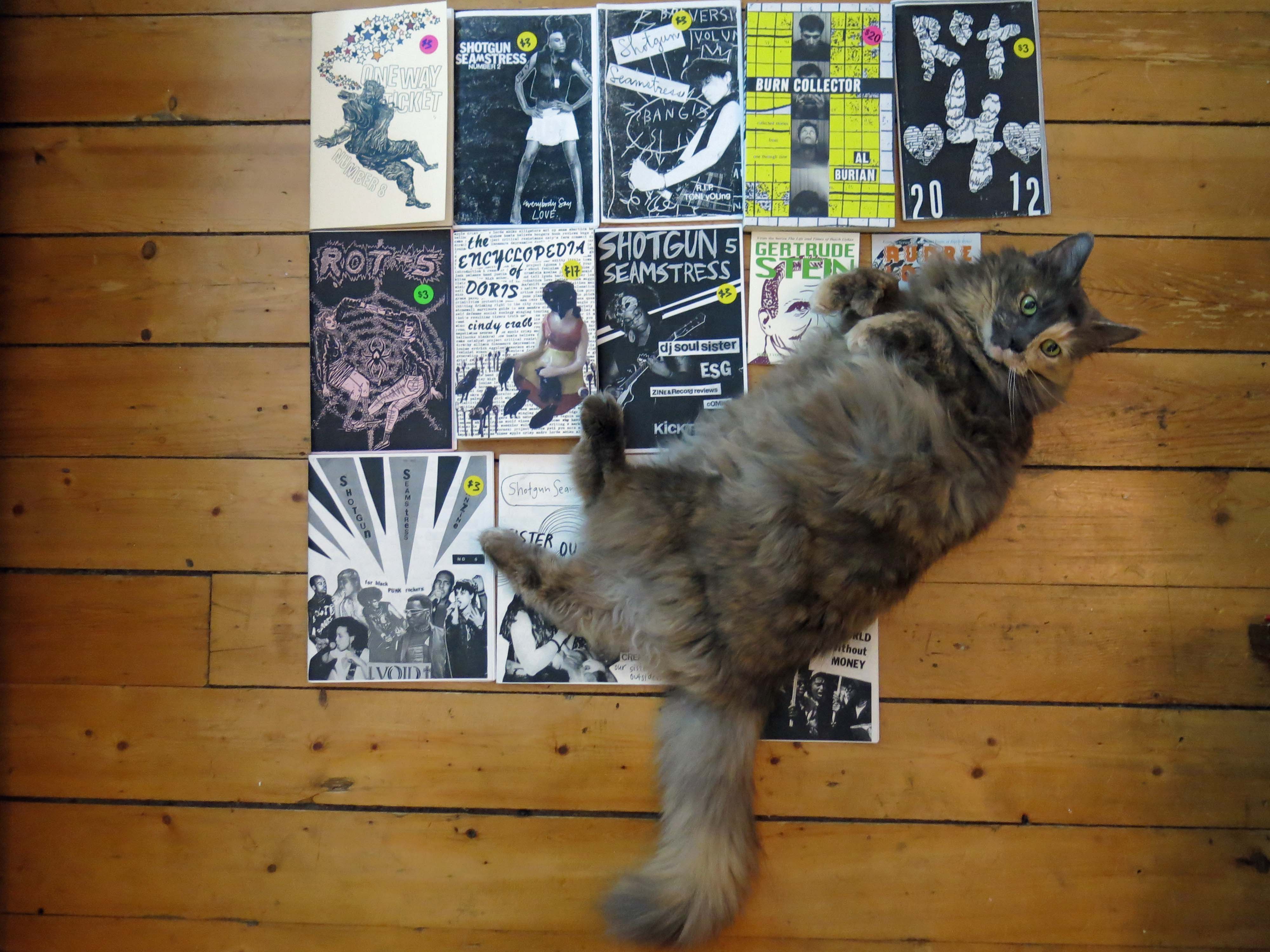
From the first moment I encountered them, I became a zine obsessive. My suburban teen years were spent hunting these underground publications, picking them up on my trips to record stores and punk shows downtown. I sent large chunks of my allowance, a dollar or two at a time, to post office boxes across North America, ordering zines with titles like Dishwasher, Fuzzy Heads Are Better, Tyger Voyage, and Spunk. Needless to say, this was long before the Internet became ubiquitous.
Coming home after school, I often found the mailbox at my parents’ house filled with literary treasures in envelopes from faraway postmarks. The zines I read covered many topics: political polemics, music, food, train-hopping, feminism, secret histories, and intimate personal narratives from the underground. I devoured them all, but I was particularly drawn to those telling true stories from the author’s life. In the pages of Cometbus, Doris, Scam, and I’m Johnny and I Don’t Give a Fuck I found compelling narrative voices that I deeply related to. Reading them felt like getting a letter from a close friend. I had tapped into a vibrant community of punk writers who crafted great stories and then cut and pasted their work together, photocopied it, and released it with no thought of gaining attention from the world of mainstream literature. These were my first literary heroes. In a time before our current memoir boom, they wrote honest and true stories full of grit and heart.
“I had tapped into a vibrant community of punk writers who crafted great stories and then cut and pasted their work together, photocopied it, and released it with no thought of gaining attention from the world of mainstream literature.”
I instantly wanted to make a zine and the democratic nature of the form made me feel that I could do it. Reading other zines gave me a model for how I might write my own stories and get them out into the world. I also voraciously read contemporary novels as a teenager, but unlike those books—perfect works with no typos or evidence of the human hand that made them—zines convinced me that I, too, could be a writer. The status of zines as unofficial publications in a time of media conglomeration made the prospect of publishing one even more entrancing. Zines were secret, precious, hard to obtain. This, along with their tactility, made them almost magical objects, even as I tattered them with frequent re-reading.
Since its first issue in 1996, my zine Ghost Pine has been made up of true stories about my life. When I was younger I wrote about hitchhiking, long Greyhound bus rides, and visiting the cities where my many zine pen pals lived across North America. But as I got older and moved around less, I still wrote about my life in short creative non-fiction pieces, discussing things like my relationships with my grandparents, late night conversations with friends, and recollections of my high school social justice club. In all my stories for the zine I tried for honesty and hoped to improve my writing with each new issue. Over the years I have sold more than 10,000 copies. In 2010, a collection of the best stories from Ghost Pine was published by Invisible Publishing.
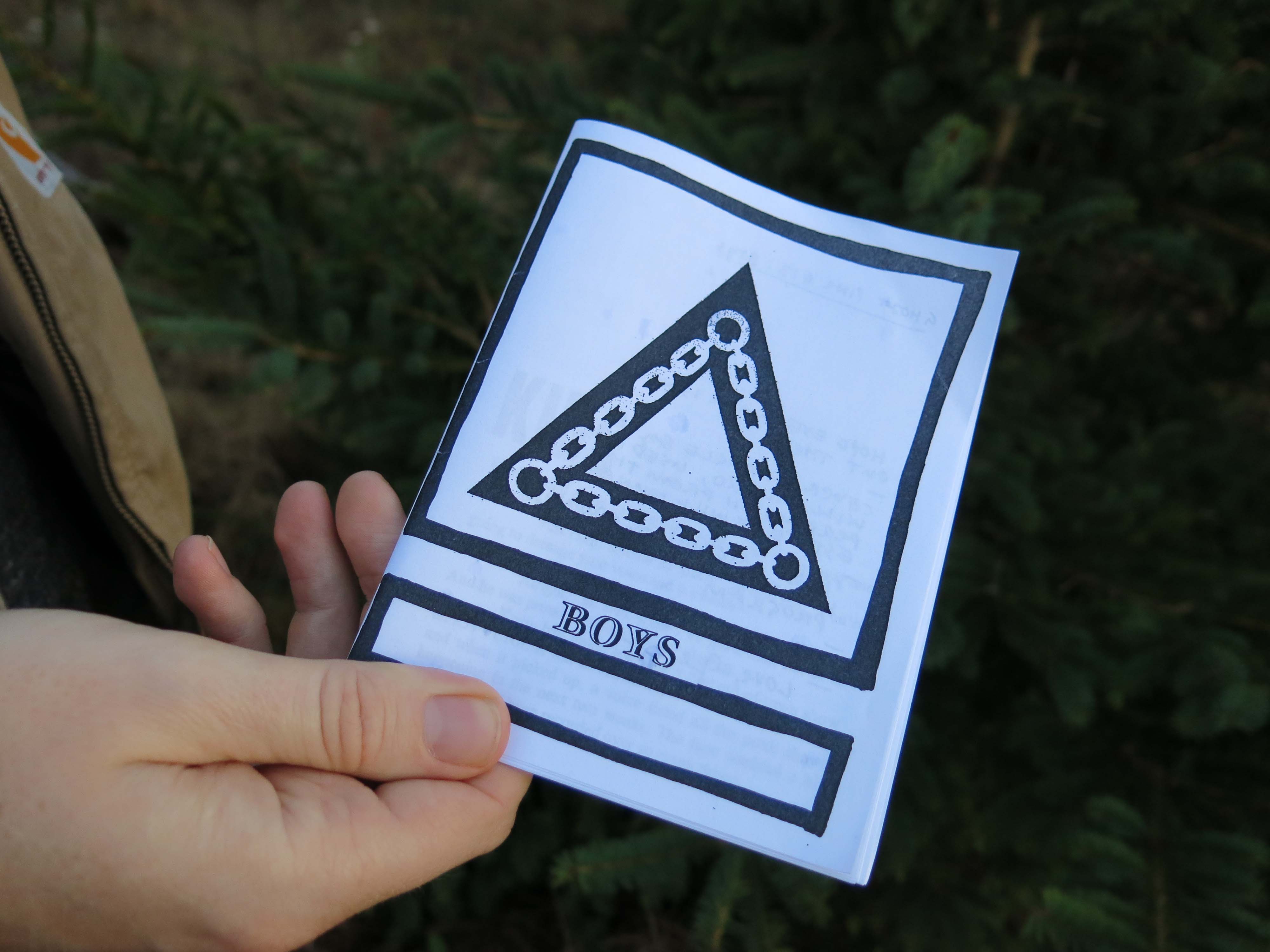
Ghost Pine’s publication schedule has slowed from annual to once every few years as my writing practice has grown and diversified into the “overground” with formal publications, cultural journalism, creation grants and a Master’s degree. Nevertheless, the work I did on my zine over the last twenty years remains at the heart of who I am as a writer. There might be an assumption that one graduates from making zines to publishing books and other “real” writing, but I’ve put out two new issues of Ghost Pine since the book came out.
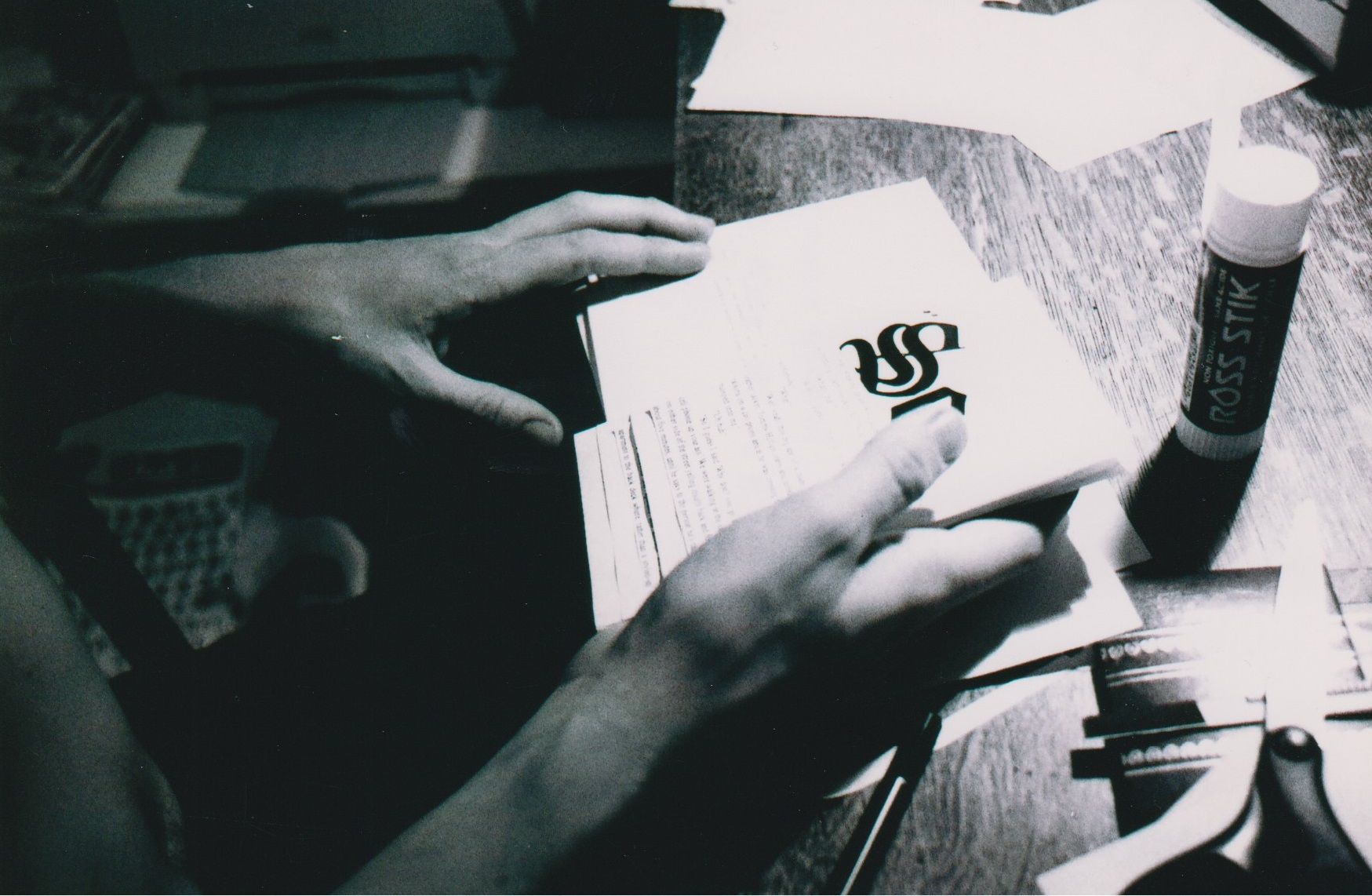
Twenty years and fourteen issues later there is still a thrill to making a new zine. Writing and editing the stories, then doing my antiquated cut-and-paste layout (every year I make a resolution to learn how to lay it out on the computer and then don’t) and going to the copy shop to print, cut, and staple it together. I sell them at zine fairs and mail copies to my pen pals and to the people who order them online from as far away as Kuala Lumpur and Florianopolis, Brazil, often getting their zines in return.
Slipping them into their envelopes, I’m reminded that this subcultural community that nurtured me as a young writer continues to thrive and produce amazing writing from voices that might otherwise have remained silent without this low-cost and low-pressure art form. The endurance of this feisty corner of the wider world of writing is extremely gratifying. Long live zines.

Jeff Miller has written the zine Ghost Pine since 1996. In 2010, the best stories from the zine were published as Ghost Pine: All Stories True (Invisible Publishing). His creative non-fiction and cultural journalism also appear in a number of anthologies and periodicals. He will be a CALQ Writer-in-Residence at the Banff Centre in February-March 2016.
Photos: Sara Spike


 Guillaume Morissette is the author of New Tab (Vehicule Press, 2014), which was shortlisted for the Paragraphe Hugh MacLennan Prize for Fiction. You can find him on Twitter at