Tag: libraries

  • Writers Need Libraries; So Do Our Children—By Deborah Ostrovsky

    Writers Need Libraries; So Do Our Children—By Deborah Ostrovsky

    Not long ago, during the Before Times, I received a small award to pursue a non-fiction project. I planned to dedicate an entire week, maybe two or three, to writing without interruptions.

    The morning I opened my laptop to begin—it was World Book Day, which seems ironic now—I found an email from my daughter’s primary school. They needed a parent to volunteer at the library.

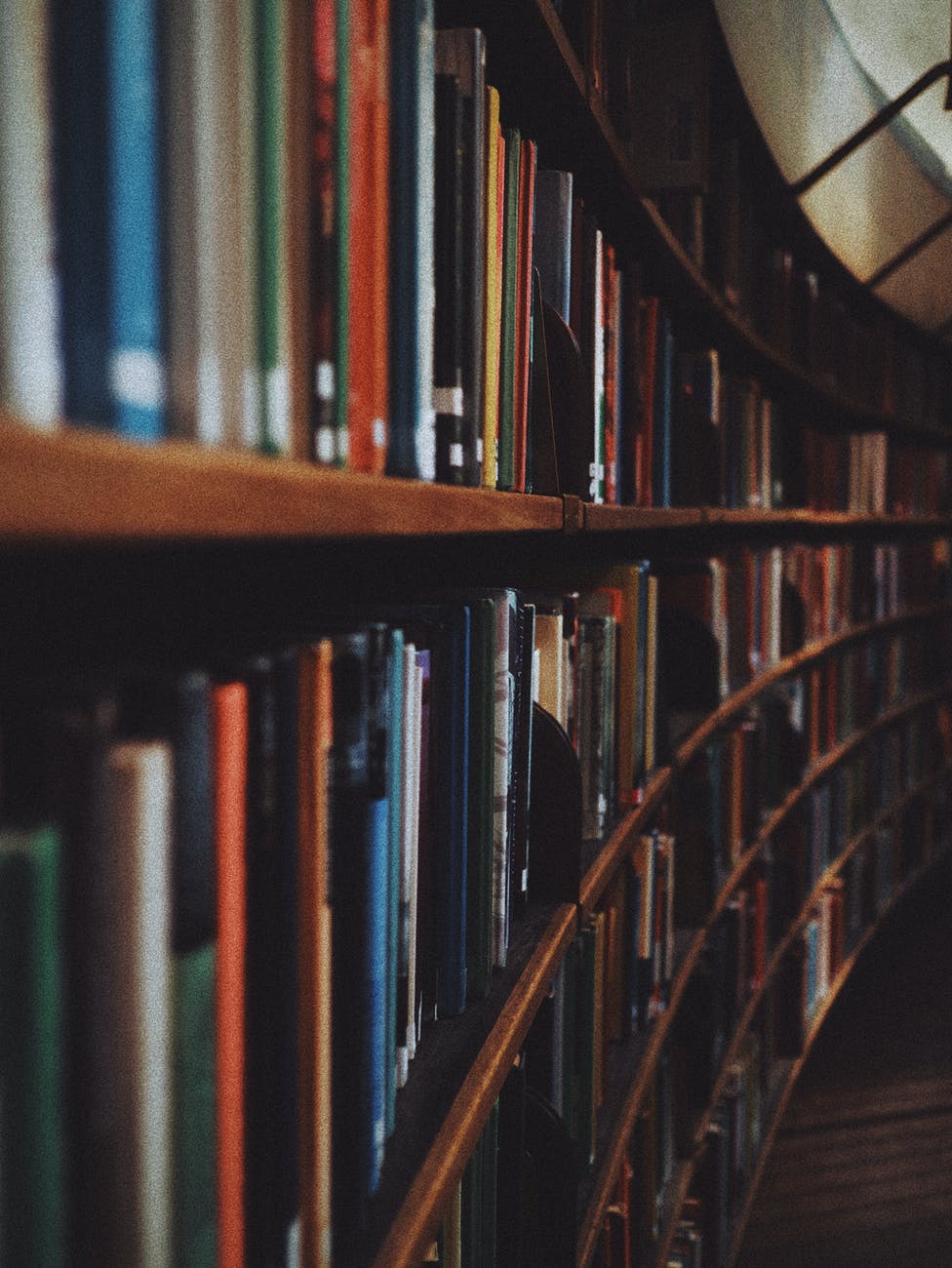
    Our primary school is fortunate to have a library at all. Many schools don’t have libraries. A primary school a few blocks from ours recently turned their library into a supply closet. Over 20 per cent of Laval’s public schools are without libraries, or enough books in classrooms.

    Radio-Canada reports that a quarter of all school boards in Quebec don’t have librarians. Our library is run by volunteers. We shelve. We search for lost books. Like a team of amateur first responders in an emergency room that should be staffed by qualified surgeons, we learn to repair the broken spines of bandes dessinées from video tutorials.

    The email from the school said that a few classes hadn’t been able to borrow books for months. Could you come today, maybe now, to turn on the computer and let the kids finally take some out?

    So I did what any emerging writer starved for time to write would do. I closed my laptop. I put on my coat. I rushed to the school. I stayed all morning and returned in the following weeks until the pandemic shut everything down. 

    Writing, editing, and translating are jobs that can sometimes feel easy to walk away from. This is especially so when other urgent business gets in the way—like helping to provide literacy and library resources for kids when neoliberal education budgets consistently sap them dry.

    It’s overwhelming to try and comprehend all the ways the arts, books, and writing are shaped by government policy. Even more overwhelming is the thought of my own personal luck at being born at the twilight of a golden age of state interventionism—right before the neoliberal assault on education. The idea of dedicating a life to writing would have never been possible for someone of my family’s background without policies that made public libraries, and librarians, part of every school.

    “Books have their sources in, are made from readers (would-be writers) reading other people’s books,”muses Kate Briggs in her book This Little Art. “All books are made from other books,”she writes. Anything I have ever written, then, has come in some way from other books, and in turn from a childhood of reading books that had date due slips glued to the back cover, and which were tucked under my pillow at night. The stories within these books made their way into my dreams. These books were always borrowed. They belonged to my public school.

    Now school libraries only open when parents have the income and the time to spend mornings taping together torn pages of Astérix.

    It’s okay, a parent told me a while ago when we talked about this. We have plenty of books at home.

    Lucky you, I thought. And what about those who don’t?  

    Lucky me, though. I get to write. It’s a privilege, in today’s economy, to do this thing with my life. But access to a school library should be a right, and not a privilege. The deep connections between my privilege and this right are buried somewhere within the early manifestations of my own creative desires over which I can take some measure of ownership; but they were undeniably helped along by state policy, making it possible for the artistic inclination and writerly imagination to be fostered by something other than luck, wealth, or family. It can’t be denied. My writing life is a result of private ambitions but also public will.

    For now, I’ll keep writing until the school library finally reopens, when the pandemic is under control. Then the school will call and say that they need somebody to help the kids take out books. I should really say no, and stay at my desk, to avoid more interruptions.

    But I will say yes. I will do this until something in the system changes radically, so kids can get their hands on more books. Maybe some of those kids can write in the future, too. In the meantime they’re waiting, hopefully not for long.


    Deborah Ostrovsky is an editor, writer, and translator. Her work has been generously supported by the Barbara Deming Memorial Fund, the Marian Hebb Research Grant, the Banff Centre for Arts and Creativity, and the Writers’ Trust of Canada.

    Photo credit: Gopesa Paquette
  • How Do I Research and Write About My Subject When There’s No Archive?—by Linda M. Morra

    How Do I Research and Write About My Subject When There’s No Archive?—by Linda M. Morra

    When perusing the scrapbook of a Canadian female writer and artist, I find a twig of cedar clipped to its pages. Later, I read her handwritten letters, which reveal that the twig was exchanged as a token of affection between correspondents. I have been researching this writer for over a decade, and her archives have undergirded three of my books—a real gift, when I know that women’s archives are often scarce, if they exist at all.

    “But how do I research and write about my subject when there’s no archive?” This is a question I’m often asked because of the frequent lack of material about women’s lives. The answer is layered, multidirectional.

    I.

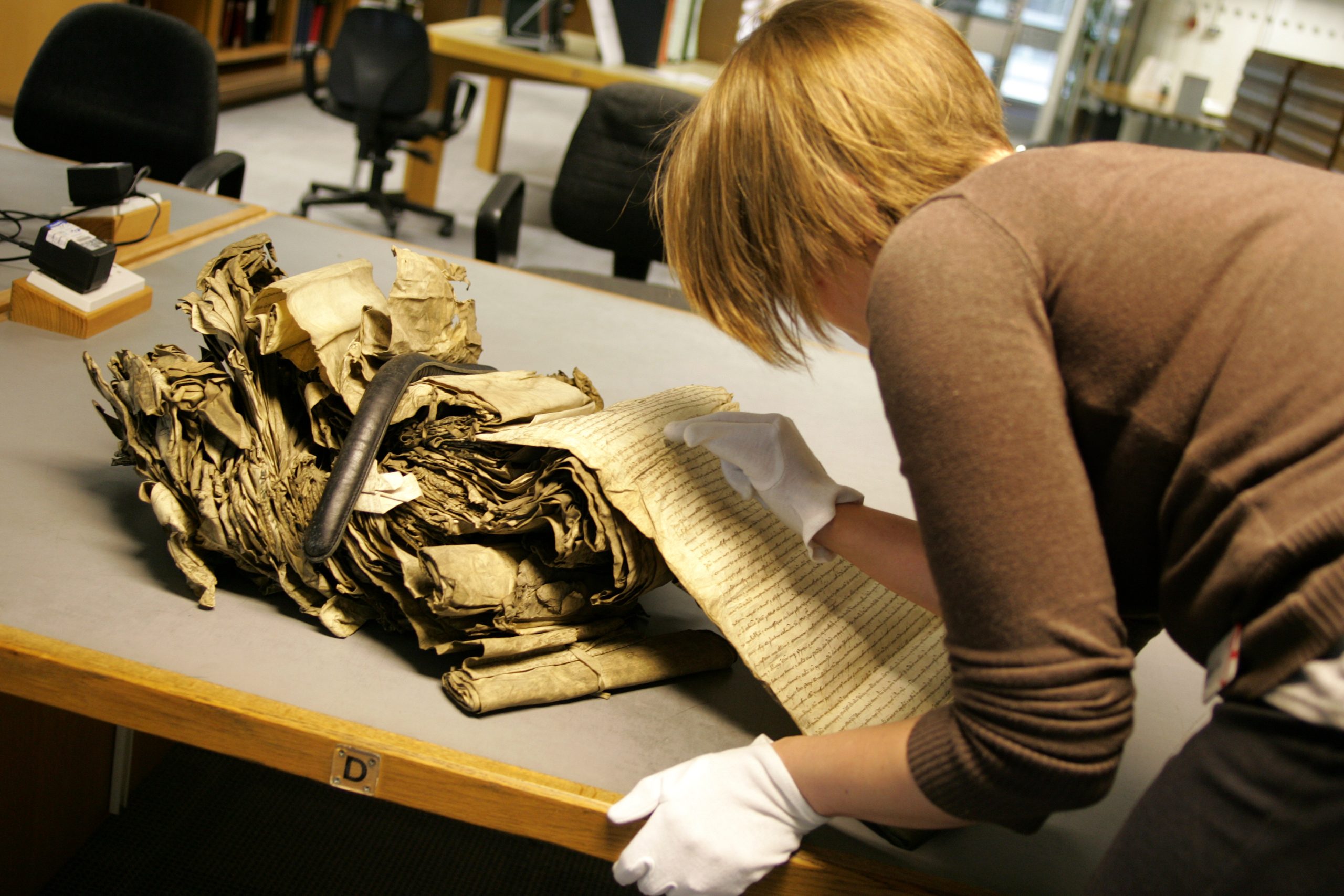
    Perhaps there is an archive—just not one in an official, state-sanctioned place, such as a university, museum, or library. There are materials; you just haven’t found them yet. You have to go beyond formal institutions and ask surviving family members of the subject in question—sometimes more than a few times. And you have to consult with documents in out-of-the-way places. The latter sometimes means borrowing someone’s truck—or hopping into a stranger’s—and carrying a pocket knife along with your laptop, just to be sure you’re going to be okay.

    “Perhaps there is an archive—just not one in an official, state-sanctioned place, such as a university, museum, or library.”

    II.

    How do I research and write about my subject when there’s no archive? Sometimes you don’t yet have access to the archive, so you have to know how to ask. You have to be there at the right time and the right place and the right day and ask the right person. (Surely, not that guy? Yup, that guy.) Sometimes it means drinking a Guinness for breakfast because that was what was offered to you, and you don’t want to be rude, and you were never one to back down from a challenge. Then it means waiting until you’re headed towards being more than just a bit tipsy, even after the whole omelette you ate for good measure, and then it means asking right then for permission to access files. Who knows if you slurred your words when you asked? That’s not on record anywhere. Sometimes that’s what it takes to gain confidence, and not just your confidence to ask for permission, but also his: he needs to know you’re a worthy candidate for permission. Drinking a whole Guinness at 9 a.m. apparently qualifies you.

    III.

    How do I research and write about my subject when there’s no archive? At other times, the archive is stashed away in a basement, hidden from prying eyes, waiting for daylight—or perhaps, you tell yourself optimistically, waiting for you. And accessing it takes earning trust, but not by drinking beer this time. No, this time it means taking all kinds of precautions: reading documents, preparing documents, writing documents, rewriting those documents, and rewriting them again. It means signing contracts, and trying to do all manner of intellectual calisthenics to be sure you’re in top form to handle this one just right. Oh, you’ll still get it wrong—or, at least, your copy editor will—but it won’t matter. It seems you were doomed not to get this one right. When you work with an archive that no one even knew existed, a misstep can happen in spite of your best efforts.

    “It seems you were doomed not to get this one right. When you work with an archive that no one even knew existed, a misstep can happen in spite of your best efforts.”

    IV.

    How do I research and write about my subject when there’s no archive? Maybe the archive isn’t a tangible thing, such as a document or photograph. My dear colleague and friend, TL Cowan, researches cabaret. A performance is an elusive thing, but someone’s memories about one night can help you reconstruct it; recollections about the scene tell you something about what a performer might have been trying to accomplish. Many witnesses recounted how a Kahnawake poetess at the turn of the century wore a stereotypical “Indian dress”—a short little buckskin number—before an audience of white men. Titillating, you might think, until you read the fiery tone of her lyrics and understand that where and how she performed her work added value and meaning to it. Then you realize she was giving these men unmitigated shit for their assumptions of superiority, and for the violence wrought upon Indigenous nations.

    V.

    How do I research and write about my subject when there’s no archive? Consider archival deposits that may not seem to have anything to do with your subject—at least, not at first. The Royal Canadian Mounted Police files offer one example. Maybe you’re not interested in the RCMP. Perhaps they’re not exactly your cup of military tea. (I personally prefer espresso, if it can be had.) But sometimes you may want to drink that tea because of what you might learn. The RCMP, as it turns out, spied relentlessly on women activists in the 1970s. They have files upon files on feminist associations and meetings. You don’t have to like RCMP tactics, but reading their records will reveal a lot to you about these women activists. And, later on, you can still drink your espresso.

    VI.

    How do I research and write about my subject when there’s no archive? Have you considered different searches on the internet? Ah, the digital world, that mysterious place that consistently reminds me of the ocean, which washes up a wealth of material one day and is a seemingly flat, calm, and inscrutable surface the next. What lies underneath that surface? If you just bait the right hook, what will you draw up? Sometimes the hook dangles there, brings in nothing much—an old shoe, candy wrappers, and some algae. You suppose it’s possible you can reconstruct something from the old shoe. Then, at other times, you find a whale, and you have no idea how to fish for whales. Befriend it, perhaps? Yes, that’s better, and don’t turn your back on it while it frolics in the harbour. How did that whale get there? You download everything you find that day, because tomorrow it may swim away back into the ocean, and only surface again with a whole new set of research terms, whatever those might be.

    “Ah, the digital world, that mysterious place that consistently reminds me of the ocean, which washes up a wealth of material one day and is a seemingly flat, calm, and inscrutable surface the next. What lies underneath that surface?”

    By now, you’ve tried everything you know. What do you have left? You may have found material completely unrelated to your current subject. A postmark, say, that proclaims “God Bless America” or “Help Retarded Children.” You wonder: has anyone written about these postal slogans? Your imagination begins to suggest a future project.

    UBC Archives Feb 22 2016 402_blurred

    Gather these materials. Delight in the wealth of all that’s left behind—from twigs to postmarks to letters. Leave your own trail, to form in effect a new archive—a gift for another generation of researchers. Finally, remember to call upon your own imagination. That has a peculiar and unaccountable wealth of its own. Don’t forget to visit that archive, ever.


    Linda-Morra-e3f6691b87ef626a8515ff84fa924af0Linda M. Morra is a professor of Canadian literature and Canadian Studies at Bishop’s University. Her book, Unarrested Archives (UTP 2014), was shortlisted for the 2015 Gabrielle Roy Prize in English; her edited edition of Jane Rule’s Taking My Life (2011) was a finalist for the LAMBDA prize (2012). She is the current president of the Quebec Writers’ Federation.

    Photo credits: The National Archives (UK) [CC BY 3.0], via Wikimedia Commons (top banner); Linda M. Morra (postmarked envelope)