Tag: routine

  • Changing the Scenery to Refresh Your Writing—By Kate Hammer

    Changing the Scenery to Refresh Your Writing—By Kate Hammer


    There’s a bit of writing advice that I receive a lot: treat writing like your full-time job, sit down at the same time and place everyday, train your brain to be creative. I’ve heard it again and again, because it works. 

    For others, I’m assuming. 

    I’ve never been able to hold down a routine. Consistency makes my skin crawl, so I’ve had to find another way to inspire creativity and meet deadlines. By changing where you write, you change the way you write: it becomes varied, rooted in distinct experiences, and tonally original. And when was the last time you complained about writing too dynamically?

    Being in a different place can help our stories feel easier, inspire us to notice more, and make returning to our writing place a whole new experience. It can be as small as changing the direction of your desk, or as big as a weekend away without a whisper of internet connection. Or, you can uproot your entire life and move across an ocean.

    At the end of 2020, I moved to Scotland for a writing Master’s. I’d lived in Montreal for a few years, the longest I’d settled down anywhere for a decade, and was starting to get the itch. I was aware moving in the middle of a pandemic wouldn’t be easy, but I also knew it was the challenge I needed. Not only did I instantly become an outsider, but all the habits I’d labeled as normal in myself became something to scrutinize, something of interest.

    Without meaning to, we put our surroundings into everything we write. Maybe the sun is shining, you’ve just had an argument, or you’ve been given an eclectic mug that you know the protagonist of your story would also have; we are sponges that ooze plot. Now, I’m not trying to convince anyone to move halfway across the world like I did, but I am trying to inspire you to get out of your comfort zone. 

    Perhaps it is sitting outside, acting like a tourist in your own city, or treating yourself to a cafe that you’d normally walk past. It can be directly useful, such as visiting the same city as your character, or discovering a hobby by chance that you never thought they’d be into. 

    As soon as I landed in the UK, I knew my brain was aware in a whole new way, and I have the journal entries to prove it. From the roads never being wide enough for two cars, to the public walking paths taking you through fields of sheep who think you have food and charge towards you with impressive speed. I was learning again how I react under pressure; meeting new types of people with traits that could easily be given to characters; feeling the familiar stress of not immediately belonging.

    Putting ourselves in different environments makes us think differently about our stories, and our characters. As much as you know them on paper, knowing what they’d notice in an all-night pharmacy at 1 a.m., or who else would be there, is another matter entirely. You’re reconnecting with your world, and observing the behaviours of strangers as they unknowingly walk through your homework. Those real character actions aren’t something you can buy with money, only with your time. 

    It can take a lot of energy, to suddenly be aware of what’s around you again, or to take on new places, but alongside a healthy relationship with discomfort comes a balanced connection with rejection. As writers with a list of submission dates, we need to practice resilience against the vulnerability and fear of the job.

    The best part of switching up your space, however, is coming back home. Whenever I return to Canada, to my family farm, to my writing desk, I see everything all over again. Not as if for the first time, but I notice different things, items I’ve forgotten to look for. It’s that nostalgia of returning somewhere that makes you comfortable. I guarantee you’d describe your living room in a whole new way if you went a few days without seeing its walls, its stained carpet, how the afternoon sunshine has faded the couch.

    Changing your writing space may not always go well, but this is part of the magic: we’re rarely lost for words when complaining. Every experience feeds into your writing and characters in unexpected ways. 

    Remember that writing isn’t always putting words on paper. Even if you don’t get a lot of work done, changing the scenery can be an excuse for a vacation, a walk, or a redecoration. It’s how we turn ourselves into our own best editors, looking at things in a whole new way, as a slightly different person. And if you need to move to the UK to do that, I’ll be here to support you. 

    Kate Hammer is a writer, producer, and performer born in Canada, and living in Scotland. An award-winning playwright, director, and published writer, Kate constantly strives to create community representation in order to tell the stories that need to be heard. They now work in television development and are publishing a non-fiction book later this year called, Bruce Willis is My Dad. They are a queer, neurodivergent creator who never forgets their goat farming heritage. katethehammer.com

    Photos: Monstera via Pexels; Jeremy Cabrera (headshot)
  • A Body Divided—By Joe Bongiorno

    A Body Divided—By Joe Bongiorno

    In April 2020, we invited writers in Quebec to submit a story of a single day during the strange, uneasy time of coronavirus and pandemic, of social distancing and self isolation, of lockdown and quarantine.

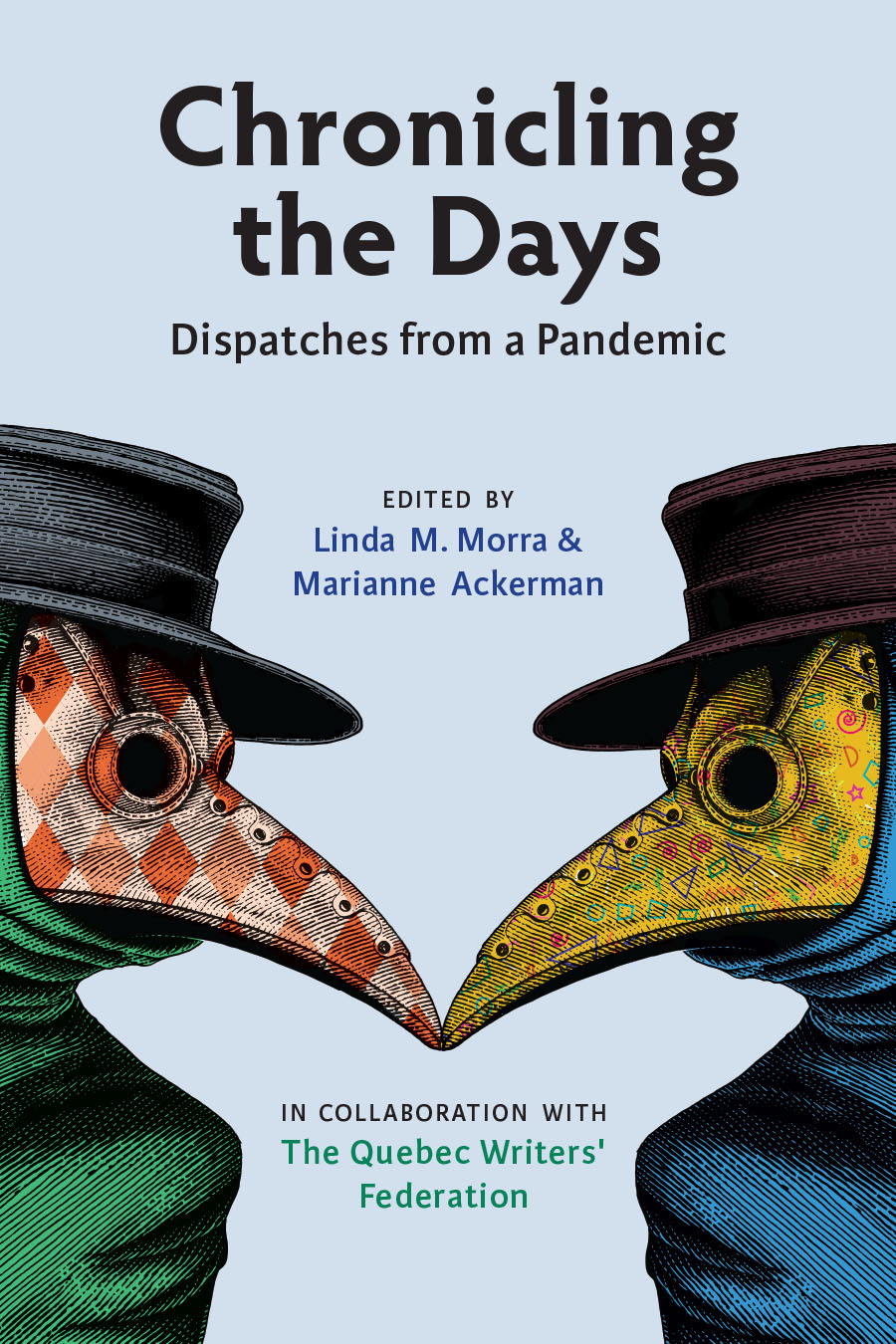
    We’re thrilled to announce that these stories have been gathered in Chronicling the Days: Dispatches from a Pandemic (Guernica Press). To learn more and buy the book, please visit https://www.guernicaeditions.com/title/9781771836579.

    Please also join us on the QWF FB Community page, and let the authors know if their words resonated.

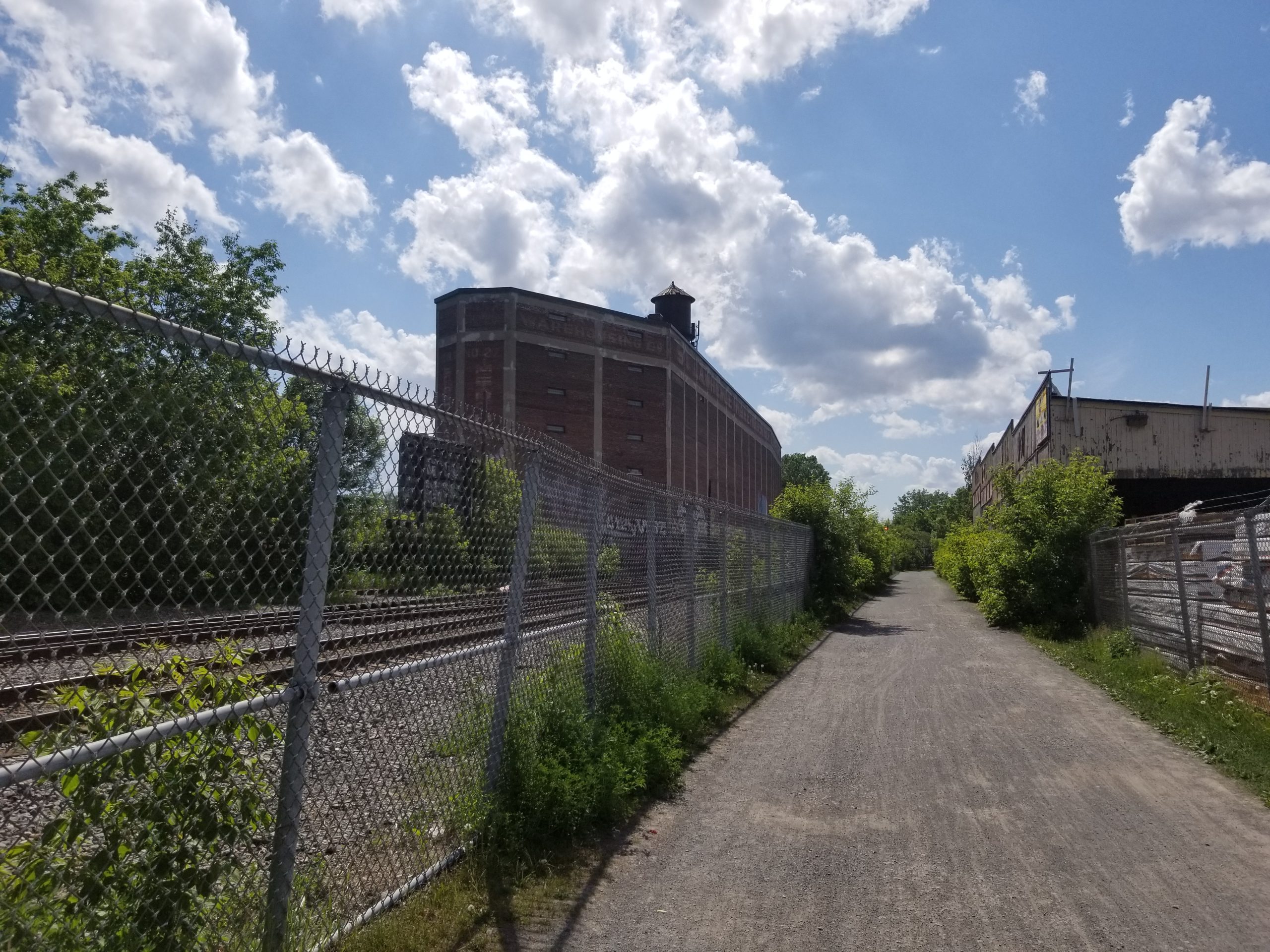
    I jog on the gravel path along the train tracks. I readjust my surgical mask and stray off into the grass to maintain a two-metre distance from a cyclist. My butt throbs. Pain gives way to numbness. Hamstring nerve pinched. I’m out of breath. My lungs open up to the cool air, fortunate to be left breathless by exercise and not COVID-19.

    To read the rest of the story, please support our community and check out Chronicling the Days: Dispatches from a Pandemic

  • The View From My Living Room—By Ariela Freedman

    The View From My Living Room—By Ariela Freedman

    In April 2020, we invited writers in Quebec to submit a story of a single day during the strange, uneasy time of coronavirus and pandemic, of social distancing and self isolation, of lockdown and quarantine.

    We’re thrilled to announce that these stories have been gathered in Chronicling the Days: Dispatches from a Pandemic (Guernica Press). To learn more and buy the book, please visit https://www.guernicaeditions.com/title/9781771836579.

    Please also join us on the QWF FB Community page, and let the authors know if their words resonated.

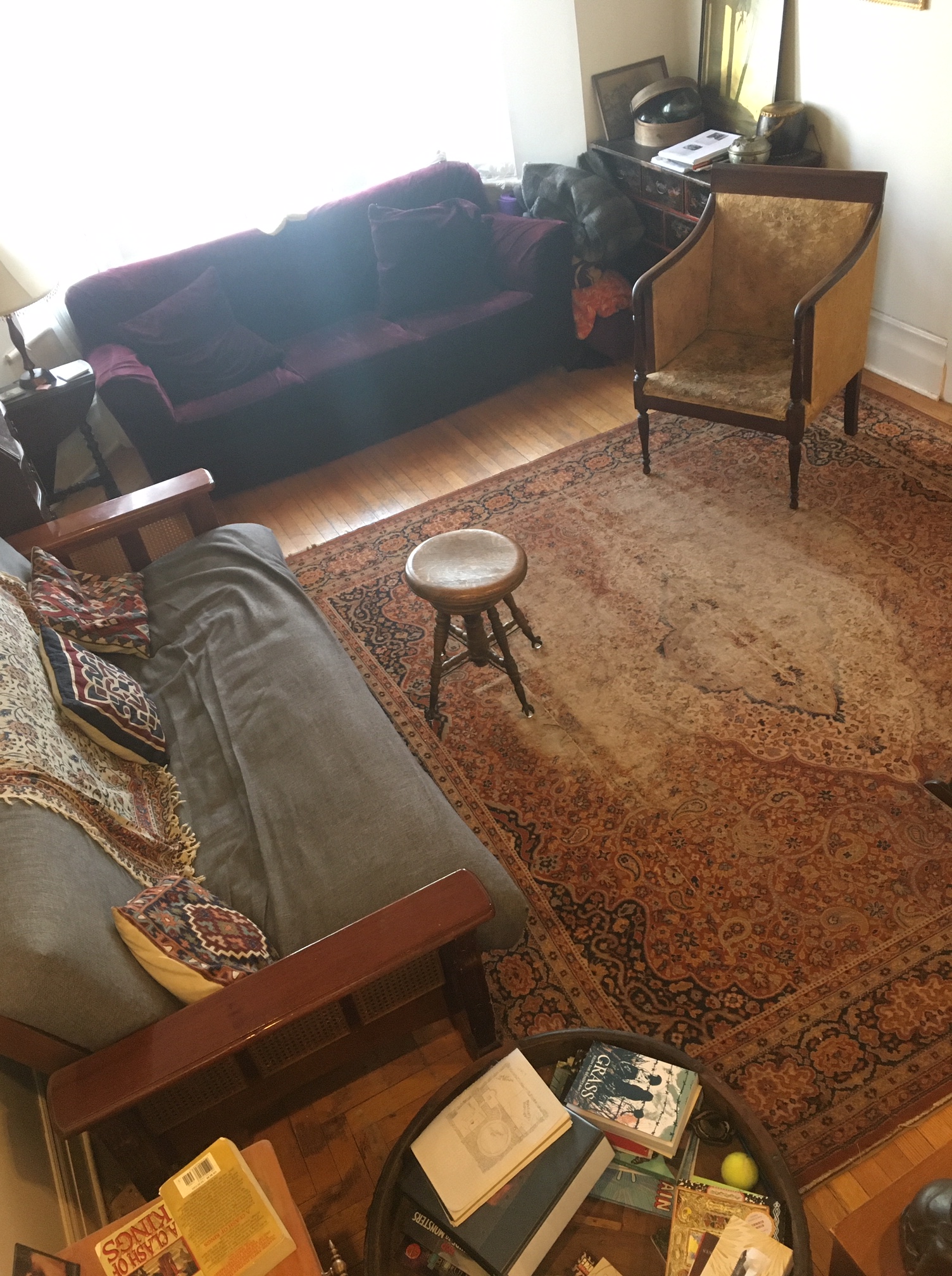
    The term “living room” came into common use after the First World War. Before the living room, there was the front parlour. This room was a formal showpiece, and before the proliferation of funeral homes, they were used to lay out the dead. After the many deaths of the First World War and the Spanish Flu, the front parlour became a haunted space. As early as 1910, the Dutch-born editor of Ladies’ Home Journal published an article titled “A Living Room is Born,” suggesting it was time to revive the staid front parlour; that is, it was time for the room to come back to life. The living room was a rebranding of a space where the dead were once venerated, at a time when they were so many that the house could no longer hold them.

    To read the rest of the story, please support our community and check out Chronicling the Days: Dispatches from a Pandemic

  • The Art of Connecting—By Joel Yanofsky

    The Art of Connecting—By Joel Yanofsky

    In April 2020, we invited writers in Quebec to submit a story of a single day during the strange, uneasy time of coronavirus and pandemic, of social distancing and self isolation, of lockdown and quarantine.

    We’re thrilled to announce that these stories have been gathered in Chronicling the Days: Dispatches from a Pandemic (Guernica Press). To learn more and buy the book, please visit https://www.guernicaeditions.com/title/9781771836579.

    Please also join us on the QWF FB Community page, and let the authors know if their words resonated.

    This self-isolation business is playing right into my hands. From the time I started thinking of myself as a writer, some forty years ago now, I knew my main talent for the job lay in my ability to cut myself off from other people. In fact, it seemed to be the whole point of the endeavour.

    To read the rest of the story, please support our community and check out Chronicling the Days: Dispatches from a Pandemic

  • Homeschooling in a Pandemic—By Greg Santos

    Homeschooling in a Pandemic—By Greg Santos

    In April 2020, we invited writers in Quebec to submit a story of a single day during the strange, uneasy time of coronavirus and pandemic, of social distancing and self isolation, of lockdown and quarantine.

    We’re thrilled to announce that these stories have been gathered in Chronicling the Days: Dispatches from a Pandemic (Guernica Press). To learn more and buy the book, please visit https://www.guernicaeditions.com/title/9781771836579.

    Please also join us on the QWF FB Community page, and let the authors know if their words resonated.

    “You’re used to homeschooling your kids. What’s your advice to other parents who are now in your shoes?”

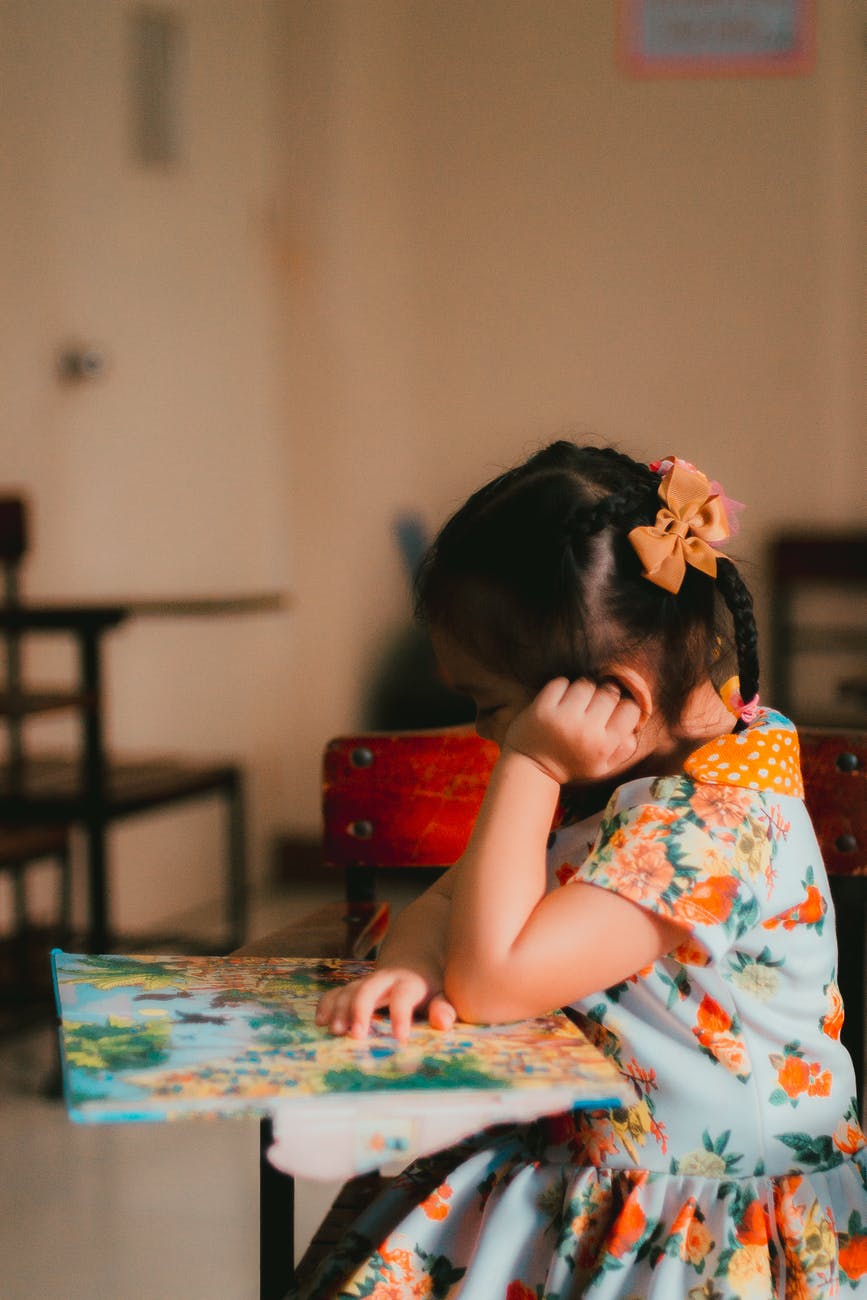
    In a Zoom meeting recently, I was asked this question by an acquaintance. Taken aback, I found myself struggling for a good answer. I rambled something incoherent about how it’s different now during the global COVID-19 pandemic, but I couldn’t properly articulate my thoughts, which left me terribly frustrated. As I write this, I am still struggling to make sense of all of this.

    To read the rest of the story, please support our community and check out Chronicling the Days: Dispatches from a Pandemic

  • To Write Well, Learn from the Badminton Court—By Pascale Duguay

    To Write Well, Learn from the Badminton Court—By Pascale Duguay

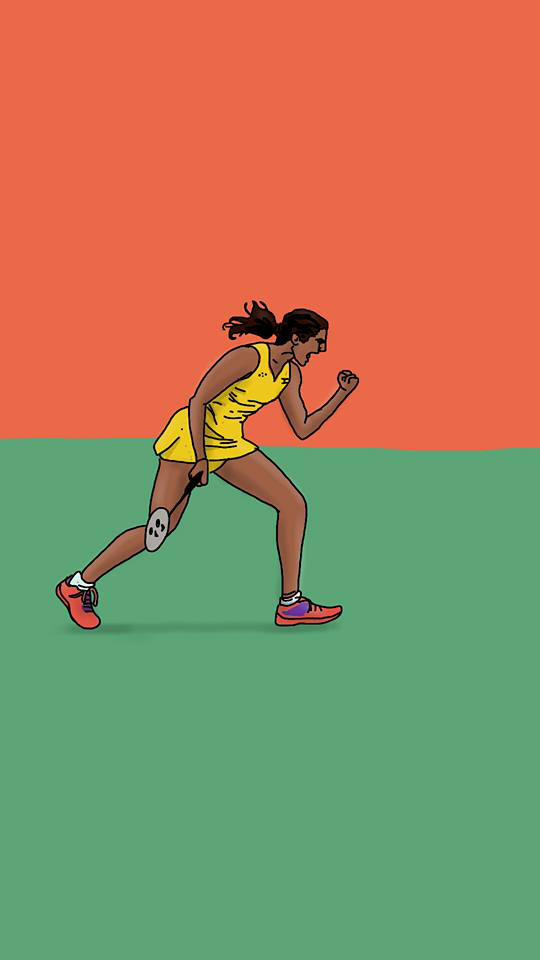
    “Don’t rush your serve,” I called to an enthusiastic senior student during our badminton match.

    “But Miss, I can catch people off guard this way.”

    “Don’t rush your serve,” I insisted.

    “But Miss, I’m ready!”

    “No, you’re not. Your feet are still moving. You’re off balance. Your shot is off. You’re not focused.”

    A glare. An audible sigh.

    I could tell she wanted to tell me to mind my own business and go back to the library where I belonged, but I stood my ground.

    Most of the high school students I see on a daily basis don’t think of me as anything more than their librarian. I totally get that, since I used to be a teen. When I impulsively asked the coach if I could join the kids at practice, I didn’t know if my body would be up to the challenge, but I allayed my fears by telling myself that even if I couldn’t perform at the level of my youth, I could at least share some of the dusty bits of knowledge stored in my brain. Even though I had not played badminton seriously in at least twenty years, I still remembered how to hit a proper serve.

    “Don’t rush your serve,” I repeated again and again throughout our match.

    What my opponent didn’t know was that I needed the reminder as much as she did. In the heat of the moment it’s easy to get carried away, to want to speed things along. Although badminton is a fast sport, it’s not about rushing. It’s about being in control—of yourself, not your opponent. If you can control yourself, you can dictate the pace, the direction, the energy, the flow, and eventually the outcome. And it all starts with your serve.

    That night, as I checked my alarm clock, I was tempted to set it for later than usual to give my aching muscles a couple of hours of extra rest. But that meant I would have to skip my morning rituals. As I pondered the pros and cons, I realized that my writing life also needs a solid foundation. It can’t get off to a good start if I don’t first make sure everything I need is in place. For me, this means starting my day at 5:15 so I can do my morning pages à la Julia Cameron. I use this moment to cleanse my mind as I write down everything that enters my head, from the most mundane (I need to stop by the post office after work), to the most brilliant flashes of genius (I could write an essay about badminton). No matter where my thoughts begin, they inevitably point me to how I can best use my writing time later on.

    As I scribble away, I underline important thoughts and ideas so I can easily find them again when I review my musings. Three full pages later and I feel like a brand new me, ready to face the day and with my mind open to any guidance I might receive from my muse or fellow earthly beings.

    When my three pages are done, I move on to my workout. In a way, it’s the physical equivalent of my morning pages. It helps me stay grounded and strong so that I have the energy I need to write in the evenings.

    Once these two things are taken care of, I can start my day fully in control. I know what I wish to achieve and the path I will take to get there, while feeling confident that I will have the stamina to see it through. Just as preparing for the serve lays the foundation in badminton, my morning rituals stop me from blindly rushing into the day. They help me stay on course so my writing doesn’t get permanently buried under the day’s demands and distractions, but can resurface when the time finally comes for me to grab my writing tools and let the words fly.


    Pascale Duguay

    Pascale Duguay is a freelance writer, high school librarian, and translator (French/English). She resides in the lively bilingual community of Quebec’s Eastern Townships. Pop in for a visit at pascaleduguay.com, where you can sign up for her sporadic but fantastic newsletter on the writing life.

    Photo credits:
    “Olympics 2016 Sindhu”by chaitanyak is licensed under CC BY-NC-SA 3.0
    (header image); Jennifer Brown (headshot)