Tag: teaching

  • How Podcasting Took Over My Life—By Catherine Austen

    How Podcasting Took Over My Life—By Catherine Austen

    If a podcast airs in a forest but there’s no one there to hear it, did it really make a sound?

    I started a creative-writing podcast in August to take the place of school visits during COVID-19. I write for children and teens, and I do a lot of writing workshops in normal years. During the pandemic, I’m offering teachers a podcast instead: “Cabin Tales: Spooky Stories for Young Writers.” Each episode tackles one creative writing topic (setting, point of view, etc.) and features stories, writing exercises, interviews, and prompts to help listeners write their own tales. It’s fun, it’s informative, it’s consuming my life.

    I fall asleep muttering my next intro. I walk my dog composing commentary. I blurt, “I forgot to normalize the volume!” in the middle of dinner. And on Sunday nights, I sit at my desk and edit “um”s from interviews instead of writing fiction. My family has never seen me so devoted to a pastime. If only she’d work that hard on a new book, they think.
    I’m disciplined about getting episodes planned and podcasted—far more than I am about finishing books. In part, that’s because of the weekly deadline and public face. (If I don’t revise a work-in-progress, no one cares because no one knows. If I don’t upload a promised episode, my subscribers will call me on it.) But mostly, I’m working so hard on the podcast because it’s fun. Creative fun. Challenging fun. The same sort of fun that writing fiction can be.

    Have you ever had a story in a literary journal that you’re pretty sure no one read except the editor? But you didn’t care because you knew it was a good story? My podcast is like that. There may be only two classes tuning in, but I don’t care because it’s a pleasure to make, and my listeners like it.

    “You should put your podcast on YouTube to get more listens,” my son says. Like I’m not already spending Saturday mornings making audiograms for guest authors. There is only one Saturday morning in the week. I used to spend it housecleaning. Someone else had better change the cat box because I’m doing a podcast now.

    Recording interviews; editing audio; fixing voice-to-text transcription—those tedious chores take far more time than coming up with content. But should the time-consuming nature of podcasts stop you from starting your own? No. If you have something to say, say it loud. (But normalize the volume before you upload.)

    There is something deeply satisfying about having one week to create something and never having to recreate it. A podcast isn’t like the short story you revise each time it gets rejected, or the novel you repeatedly edit, or the poetry collection you add to for years. You plan; you create; you upload; and then you move on. It’s like being a kid again.

    So I encourage you to join the podverse. There are 1,000,000 podcasts already out there—but that shouldn’t stop you from starting a new one, any more than 100,000,000 books stop you from writing. Just know that, like any creative endeavour, it will take more time than you expect. And your few hundred downloads might feel like boxes of self-published books in your garage. But there’s a pandemic of loneliness in the world right now, so grab a mic. Even if you only find a few ears.

    My podcast has allowed me to reach the teachers whose classes I can’t visit this year, and help them help their students write. It has brought two dozen YA and children’s literature authors together virtually.

    The best thing, though, is that writing fiction is now a reward instead of a chore. I spent half of Thursday on the podcast, so Friday I had time to write. Hurrah! Before “Cabin Tales” consumed my time, I felt burdened by the to-do: “Write.” I’ve rediscovered writing for the fun of it. My podcast taught me that.


    Catherine Austen writes short stories for adults, novels for children and teens, and reports for corporate clients. Her stories have appeared in The Fiddlehead and The New Quarterly. Her books have won the CLA Young Adult Book Award and the QWF Prize for Children’s and YA Literature. Listen to her podcast, Cabin Tales: Spooky Stories for Young Writers, at CabinTales.ca. 

    Photo credits: Catherine Austen

    If you’re interested in podcasting, check out a 2-part QWF workshop this November: https://qwf.org/activity/the-essentials-of-starting-your-own-podcast

  • The Art of Connecting—By Joel Yanofsky

    The Art of Connecting—By Joel Yanofsky

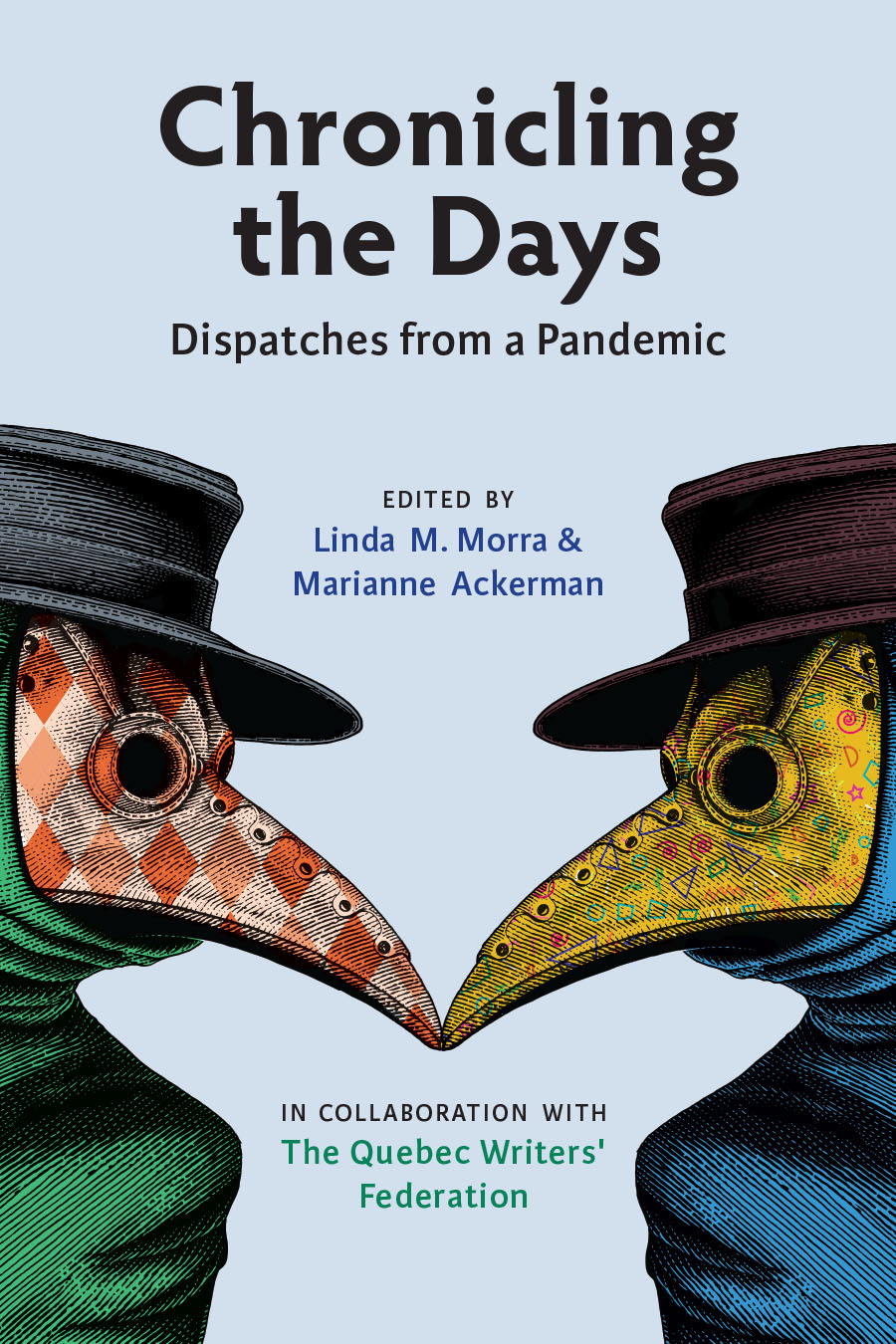
    In April 2020, we invited writers in Quebec to submit a story of a single day during the strange, uneasy time of coronavirus and pandemic, of social distancing and self isolation, of lockdown and quarantine.

    We’re thrilled to announce that these stories have been gathered in Chronicling the Days: Dispatches from a Pandemic (Guernica Press). To learn more and buy the book, please visit https://www.guernicaeditions.com/title/9781771836579.

    Please also join us on the QWF FB Community page, and let the authors know if their words resonated.

    This self-isolation business is playing right into my hands. From the time I started thinking of myself as a writer, some forty years ago now, I knew my main talent for the job lay in my ability to cut myself off from other people. In fact, it seemed to be the whole point of the endeavour.

    To read the rest of the story, please support our community and check out Chronicling the Days: Dispatches from a Pandemic

  • Homeschooling in a Pandemic—By Greg Santos

    Homeschooling in a Pandemic—By Greg Santos

    In April 2020, we invited writers in Quebec to submit a story of a single day during the strange, uneasy time of coronavirus and pandemic, of social distancing and self isolation, of lockdown and quarantine.

    We’re thrilled to announce that these stories have been gathered in Chronicling the Days: Dispatches from a Pandemic (Guernica Press). To learn more and buy the book, please visit https://www.guernicaeditions.com/title/9781771836579.

    Please also join us on the QWF FB Community page, and let the authors know if their words resonated.

    “You’re used to homeschooling your kids. What’s your advice to other parents who are now in your shoes?”

    In a Zoom meeting recently, I was asked this question by an acquaintance. Taken aback, I found myself struggling for a good answer. I rambled something incoherent about how it’s different now during the global COVID-19 pandemic, but I couldn’t properly articulate my thoughts, which left me terribly frustrated. As I write this, I am still struggling to make sense of all of this.

    To read the rest of the story, please support our community and check out Chronicling the Days: Dispatches from a Pandemic

  • The Circle of Mentorship—By Shelagh Plunkett

    The Circle of Mentorship—By Shelagh Plunkett

    Linda Kay—author, journalist and teacher—died last October. In 2006 she was assigned to mentor me by the Quebec Writers’ Federation, and in the twelve years that followed became a great friend as well as remaining a generous-hearted and gracious advisor. In the months since she died, during the hundreds of times I’ve missed being able to email or call her, I’ve thought often about what I’ve lost without her in my life and what I learned from having her in it. Perhaps most importantly, Linda showed me how essential mentorship is for a writer.

    Linda Kay
    Linda Kay

    Linda’s achievements as a writer and teacher were impressive (including no less than a Pulitzer won as part of a team early in her career), but recording them here would leave nothing more than a superficial sketch that failed to convey who she was. Similarly, outlining the empty space that her death has opened in my life would leave a hollow impression of our friendship. I’m left wanting to convey one of the most important things I learned from Linda: that mentorship is essential for a writer.

    When I moved to Montreal, I joined the QWF to meet writers. I applied to the mentorship program and was introduced to Linda. The first time we met she brought the essay I’d submitted with my application—a short piece about growing up in Guyana, in South America. “Send this in to the CBC Literary contest,” she urged me.

    I’d written it in a flurry of frustration one afternoon. It was the sort of writing I wanted to do but was unlike anything I’d ever tried, because it was not the kind of piece my freelance clients were interested in publishing. I didn’t know if the piece was good or bad, but I’d had fun writing it. Linda was adamant, so I took her advice.

    She was right; the essay won the CBC Literary Award for creative non-fiction. Linda told me my life would change, and it did. With that award to reflect on and with her encouragement, I began to think I could write more than just simple news pieces, arts profiles, or lifestyle columns. I began to think I might have the chops to string a few words together that might have a deeper purpose, that might offer something more to a reader than a few minutes of entertainment. Linda suggested I approach publishers. “They’ll pay attention to you now,” she said. She was right. Penguin signed a contract with me and my memoir of adolescence overseas—born out of the essay I’d written—was published in 2013.

    In the years that followed, Linda continued to inspire me to take the work of writing seriously, because that’s what she did. She applied all her skill, insight, and effort to everything she did, from writing to teaching to friendship; to every assignment, be it a book or a short piece for Costco Connections. Ultimately, what we try to do as writers is communicate. Linda showed me that without giving one’s full passion, focus, and commitment, communication isn’t worth the effort.

    Linda didn’t tell me she was sick until quite close to her death, but in her last months we wrote often and our conversations continued to ramble around writing, family, new and old loves, life. She remained as she’d always been, even in our last correspondence, an email sent less than a week before her death from her hospital bed. Linda wrote that she’d passed on my name and the title of my book to a Guyanese intern she’d met, encouraging the woman to seek out my writing. Right to the end, Linda remained a supporter and mentor.

    It is not an exaggeration to say I would not be a published author, and would not be writing still, if not for Linda. And now, things have circled back for me: I’ve been hired by the QWF to fill the role for someone else that Linda did for me when we first met. As I key these words, I am embarking on three months of mentoring a promising writer in our community. Though I miss Linda immensely and often, I’ve not lost the gifts she was lavish in bestowing. I will turn to my memories of Linda now and into the future, knowing that by doing so I’ll be motivated to achieve much more than I imagine myself capable of. More significantly, her memory will inspire me to pass on to my mentee what Linda gave me as a mentor.


    ShelaghPlunkett_photocredit-NiamhMalcolmShelagh Plunkett is a past winner of the CBC Literary Prize for creative non-fiction. In 2013 her memoir, The Water Here is Never Blue, an extension of her winning essay, was published by Penguin Canada. It was shortlisted for both the QWF Mavis Gallant Prize for Nonfiction and the QWF Concordia University First Book Prize. Shelagh now lives in Montreal, where she is at work on too many projects. Her past hometowns have included Georgetown, Guyana; Kupang, Timor; Vancouver, Victoria, and Toronto; Ricón-de-la-Victoria, Spain; and Salt Spring Island.
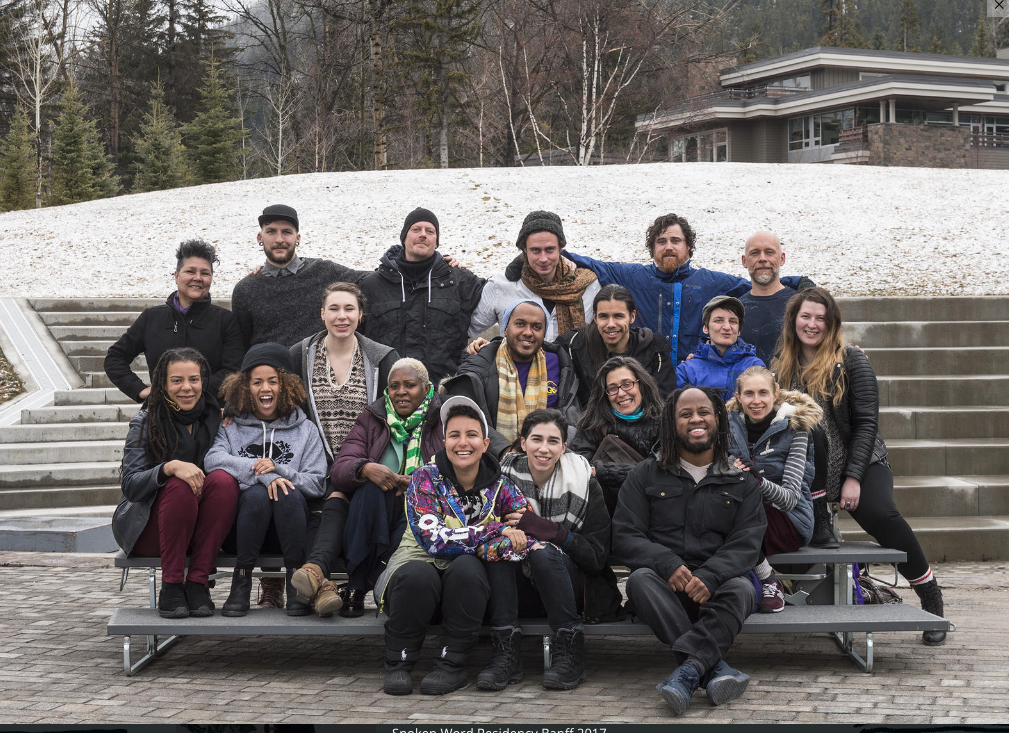
    Photo credits: Flickr (header banner), Courtesy of Emily Kay-Rivest (photo of Linda Kay), Niamh Malcolm (headshot of Shelagh Plunkett)

  • Writing by Numbers—by B.A. Markus

    Writing by Numbers—by B.A. Markus

    1. Show Up

    A link to the Spoken Word residency at the Banff Centre shows up in my feed. I didn’t get a teaching contract with the English Montreal School Board in the fall so I’m not feeling too enthusiastic about spending the $65 non-refundable application fee. I’ve applied to the Banff Centre residencies at least six times and never gotten in. And I’m not convinced that what I’m working on, a collection of dramatic monologues based on interviews with mothers called “What Mommy Needs,” is even a spoken word piece. Most of all, I’m not ready for another rejection. In the end I justify spending the money because it counts as “Doing something about my writing.”

    2. Pay Attention to What Has Heart and Meaning

    In January, I get offered a contract at the school board that’s going to last until the end of June. The application for Banff is out there but I know my chances of getting into the residency are even less than my chances of getting a permanent teaching gig in Montreal. It’s amazing I got the contract for six months. Money is important to me. I’m two kids beyond not worrying about heat, secure housing, and groceries. But I haven’t given up on “What Mommy Needs.” I’m doing interviews when I can. And I’ve started to tell stories at Confabulation and Yarn in Montreal. It’s great to be performing again. I start to think about how I could use storytelling in the mommy monologues. Maybe my project is spoken word after all.

    3. Tell Your Truth as You Understand It

    A month into my teaching contract I get the acceptance letter from Banff with an offer of financial aid. In ten seconds I go from delight to despair. I can’t go to Banff. I just signed a contract. Two days later it occurs to me that I could ask the principal if there is any way I could leave my job for two weeks to do the residency. But I have my doubts. He’s young and ambitious. He likes to follow the rules. And there are fifty teachers who would gladly grab my contract if I left. I practice my speech, aiming for the sweet spot. Somewhere between grovelling employee and self-assured writer. He cuts me off mid-grovel. He says I can go.

    banff residencycohort
    My cohort: participants and faculty of the 2017 spoken word residency at the Banff Centre (I am in the second row from the bottom, second from the right). The photo above this essay shows me performing at Confabulation, a storytelling series in Montreal.

    4. Remain Open to Outcomes

    Waiting for the plane to Calgary, I download the schedule for the residency. I’d assumed that my time at Banff would be two weeks of uninterrupted writing time. Now I see that most of my days at the residency will be filled with workshops led by the faculty. Attendance is compulsory. I vow that I will spend all my unscheduled time either working on “What Mommy Needs” or getting regular exercise in the pool at the Banff Centre.

    At the end of the first day, one of the faculty members asks if anyone plays the piano and I put up my hand. He’s doing a poem at the faculty show in a couple of nights and he wants some simple piano in the background. In Montreal, I live surrounded by professional musicians. Now I feel like an amateur. I practice for the show on a Steinway grand because that’s the kind of piano you get to play at the Banff Centre. The show goes well. Afterwards, one of the other residents asks me if I’d like to collaborate with her and play piano while she performs her poem. She wants to record us in the studio.

    Despite my promise to devote my unscheduled time to “What Mommy Needs,” I spend many hours in my hut playing piano and singing Jewish prayers, Christian spirituals, and French cabaret songs.

    My plans for daily swims are also squashed, by the appearance of a giant sty that swells my right eye shut.

    We are going to do a show at the end of the residency. I intended to perform an excerpt from “What Mommy Needs,” but instead I write a story about identity that includes three sung sections. I’ve never sung while telling a story. I start to think about how I could integrate music into “What Mommy Needs,” which is now definitely a spoken word project.

    “This writing project has transformed me. And all I had to do was follow the numbers.”

    On the last day of the residency, I meet with one of the faculty members, a historian and dub poet whose work weaves together poetry, performance, and primary research. When I start describing my ideas for enhancing the performance experience in “What Mommy Needs,” she starts shaking her wise head. “No, no,” she says. “‘What Mommy Needs’ is a book.”

    I come back to Montreal with a musical story about identity, a professional recording of me playing piano behind someone else’s poetry, and the possibility that I’m actually writing a book. This writing project has transformed me. And all I had to do was follow the numbers.

    The four “rules” I followed are by Angeles Arrien.

    You can watch an example of my spoken word performance below:

    [vimeo 108630079 w=640 h=360]


    bamarkusphotoB.A. Markus is a writer, teacher, and performer living in Montreal. She is an award-winning creative nonfiction writer, a Grammy- and Juno-nominated songwriter, and her reviews, essays, and stories can be found in anthologies and publications such as Carte Blanche, Queen’s Quarterly, and The Montreal Review of Books. She tells stories live at the Confabulation and The Yarn storytelling events and is currently writing a series of monologues, entitled “What Mommy Needs,” about what mothers do to survive the realities of motherhood. BAMarkus.com
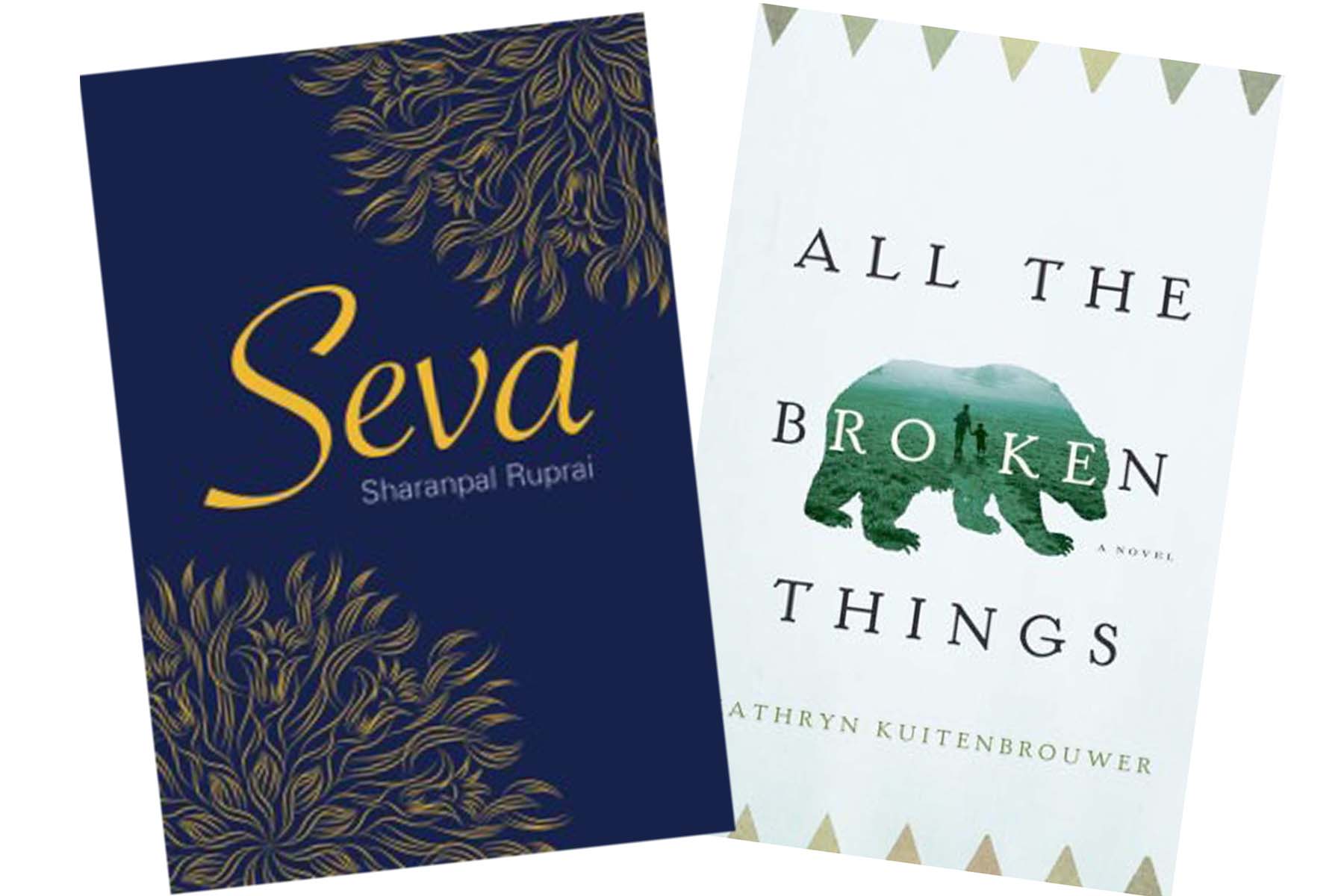
    Photo credit: Jean-Sébastien Dénommé (header banner)

  • Why I Teach Brand-New CanLit by Natalee Caple


    This year, Natalee will teach Sharanpal Ruprai’s “Seva” and Kathryn Kuitenbrouwer’s “All The Broken Things.”

    I have my dream job. I write, review and teach Canadian literature and creative writing. When I think about why I am so happy teaching new CanLit I recall when, a few years back, my friend, writer Andrew Pyper, asked me in an interview what had changed for me as I evolved from an aspiring writer to an established author.

    The truth is everything has changed. In the beginning my desire to write was about me. It was about trying to see who I could be, what I might be good at and where I might find a community to belong to. Now, being a writer, being a parent and being a professor are all part of participating fully in the culture that sustains me. I feel that there is no better way to demonstrate how varied and valuable I think Canadian culture is than to devote my life to producing, promoting and teaching CanLit.

    Now, being a writer, being a parent and being a professor are all part of participating fully in the culture that sustains me.

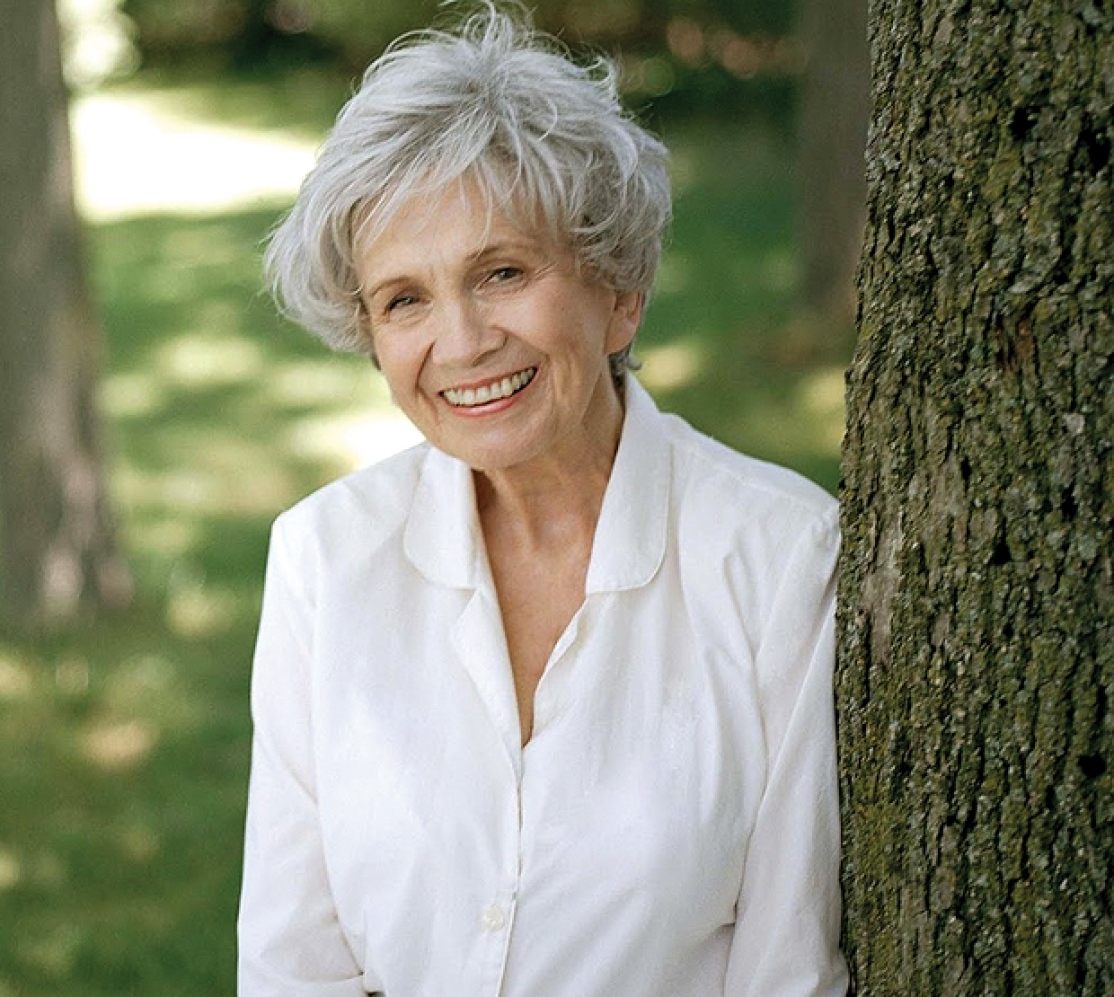
    Because it is so important to me that students see the books they read as part of something familiar and real, something that they are already impacting and being impacted by, I often use brand new books. I also teach some of the canon: Atwood, Ondaatje, Munro. After all, these are writers who have helped to raise awareness of Canada as a significant site for cultural production (teaching Alice Munro the week she won the Nobel Prize was incredibly moving). But I also teach books that are literally printed days before classes begin.

    …teaching Alice Munro the week she won the Nobel Prize was incredibly moving.

    Designing my syllabus a few weeks ago, I realized that there are only two major drawbacks to this style of teaching. The first is that I am constantly redesigning my courses, which means new lectures, new assignments and research on what is coming out. The second is that I feel a lot of anxiety about the books arriving on time. But in spite of the extra work and anxiety, there are so many benefits to teaching contemporary literature within the context of the now. Here is a list of some of them.

    • The books are never out of print.
    • Pre-ordering books helps to let the publisher and the bookstore know that the titles are desired.
    • The material is often quite relevant to students’ daily lives. This allows students to identify better with the settings, characters and scenarios.
    • Authors are accessible, alive and often available to Skype into the classroom so that students can ask them questions directly.
    • Student presentations are much better. Instead of Googling a biography and retyping a handful of academic quotes they have to read the whole book (they do complain about this).
    • Student essays are much better. Their close reading skills really improve because that is all they have to rely on.
    • Student confidence in their own readings improves. Because they don’t have to compete with the scholarly opinions of experts they learn that it is okay to rely on and develop faith in their own readings. This causes them to engage more deeply and so…
    • Students get better marks. When they see this they start to appreciate the work they did.
    • Students become more willing to take risks in thinking.
    • Plagiarism is greatly reduced. In fact, because a brand new book is so unlikely to have essays on it in circulation, to plagiarize really means paying someone to create an essay. Far fewer students are willing to take this extra step as it requires more planning and seems somehow more actively dishonest.
    • Canadian culture is reinforced as real and ongoing, lively, diverse and present.
    • Book sales show up in a timely fashion for authors. Titles get circulating at a time when it is most beneficial. We all know that numbers have become incredibly important to the sale of future books and that there is some self-fulfilling prophesy there.
    • I get to stay engaged with my peers in the writing community. I am giving them my support and staying on top of my field.
    • I get to read all the books I wanted to anyway and call it work! Did I say that it is my dream job?

    For the teachers out there: why do you – or don’t you – teach new CanLit?


    Natalee Caple’s latest novel, In Calamity’s Wake, was published by HarperCollins in Canada and by Bloomsbury in the US. She is a professor of English, teaching Canadian literature and Creative Writing at Brock University. www.nataleecaple.com