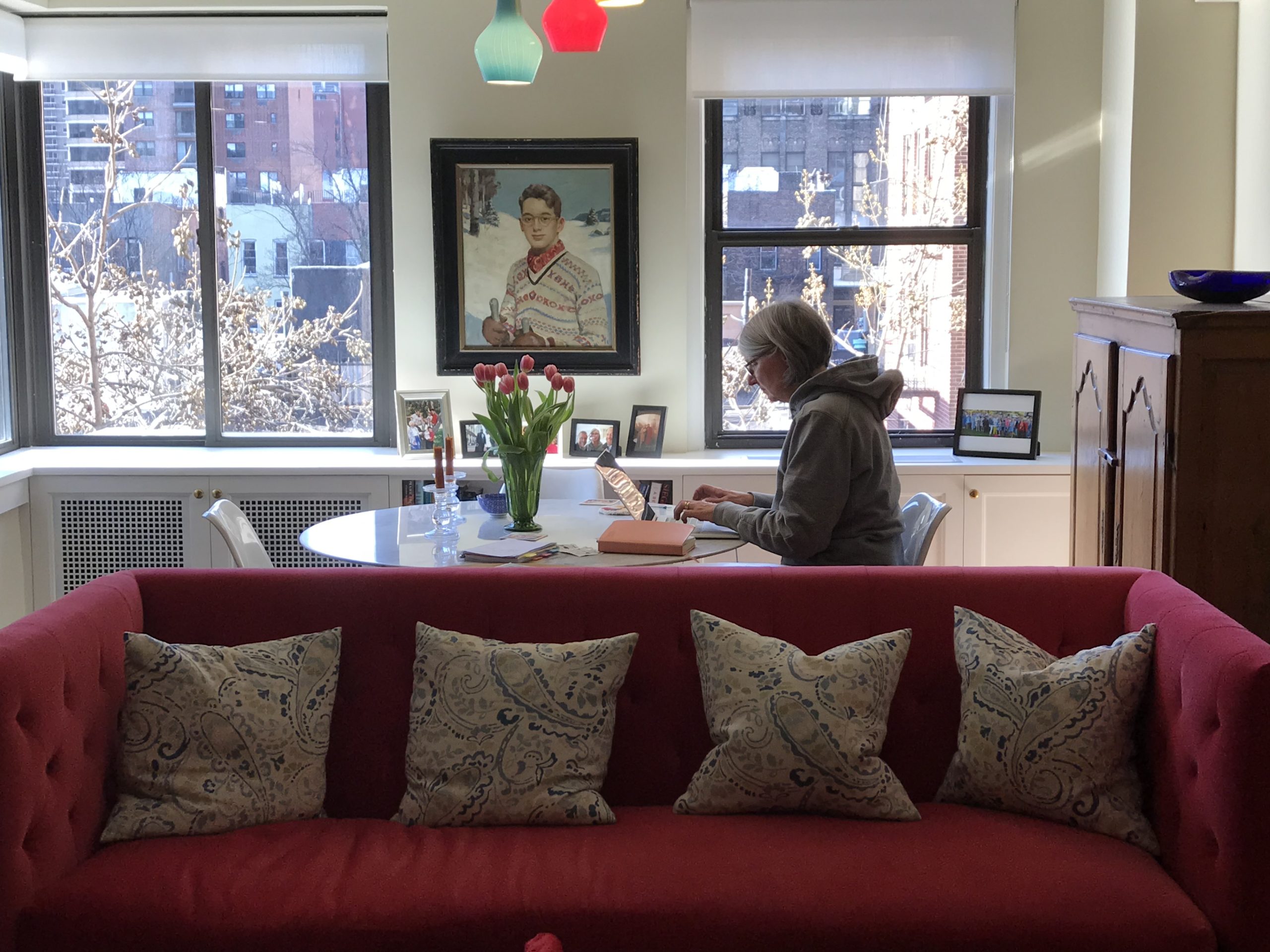
Louise Penny writes at her dining table. (Photo by Lise Page)
A funny thing happened on my way to not writing a book.
I started writing.
The truth is, I’ve known since I began writing that if my husband Michael died, I couldn’t continue with the Chief Inspector Gamache mystery series. Not simply because he was the inspiration for Armand Gamache, and it would be too painful, but because he’s imbued every aspect of the books. The writing, the promotion, the conferences, the travel, the tours. He was the first to read a new book, and the last to criticize. Always telling me it was great, even when the first draft was quite clearly merde.
When Michael died peacefully at home in September 2016, I was pretty well spent. Physically, emotionally, and creatively. In French the saying is, tu me manques. Which means ‘I miss you’, but actually, literally, translates into ‘You are missing from me.’ That’s how it felt. Michael was missing from me.
How could I go on when half of me was missing? I could barely get out of bed.
I just could not face writing another book. And if I forced myself, the result would be a betrayal of all the previous books, the characters, the world of Three Pines. Of me. It would be a sad way to ruin what I’d created. I’d be writing because I had to, not because I wanted to.
Now, sometimes, it’s true, a writer just has to sit down, and do it. That’s often the case with me. Some days I’d much rather eat gummy bears and watch The Crown than write. But this would have been different. This would have been going through the motions. Forcing the characters, chocking out some lame plot. My readers deserved better.
So I spoke to my wonderful agent, and broke the news that I just didn’t think I could write a book. I just didn’t have it in me. I was too tired. Too broken. I’d mend, I knew that. But right then? No. She was wonderful, completely understanding and supportive. And then she had to tell the publishers. She did. And they were fabulous. They agreed that they’d rather have no Gamache book than a crappy one.
And so, that was the plan.
I was going to take a year off, to regroup and catch my breath after Michael died. That might have been a lie. In my heart I knew I could never write Gamache again. (And, sadly, would have to give back the next advance.)
But then, something happened. A few months later, I found myself sitting at the dining table, where I always write. My golden retriever Bishop lying beside me, fireplace on, café au lait in my Vive Gamache mug… opening the laptop.
I began having ideas—not the usual sort of thoughts of food and vacation, but actual book ideas. Armand began stirring. They all did. I could see them again. Hear them again.
And I wanted to be with them again.
I think my desire for distance was not just about exhaustion, but also because Armand was, and always will be, so associated with Michael. I just needed quiet time, to come to terms.
And then, there he was again.
I wish I could describe for you the joy I felt. And feel.
So I quietly, without telling anyone, began writing again. A little at first. Then more, and more.
I wrote two words: Armand Gamache
Then the next day I wrote: slowed his car to a crawl
And the next day: then stopped on the snow-covered secondary road.
But I didn’t dare tell anyone. In case I stopped writing. Or the book took a very, very long time to write. The publishers had no idea I was writing. It wasn’t until six months later that I told them. But even then, I warned them the book might not be ready in time. My agent was magnificent. Telling me not to worry. To take whatever time I needed. Stop writing, if I needed.
And that was all I needed, to keep going.
I really gave myself permission to just let go and explore.
I discovered, again, how much I love to write. And, again, what a harbour it is. What would I do with my days otherwise? There are, after all, only so many episodes of Outlander.
And so Kingdom of the Blind was born. It is the child that was never going to be. But happened. My love child.
I began the book not with sadness. Not because I had to, but with joy. Because I wanted to. My heart was light. Even as I wrote about some very dark themes, it was with gladness. With relief. That I got to keep doing this.
Far from leaving Michael behind, he became even more infused in the books. All the things we had together came together. Love, companionship, friendship. His integrity. His courage. Laughter.
I realized, too, that the books are far more than Michael. Far more than Gamache. They’re the common yearning for community. For belonging. They’re about kindness, acceptance. Gratitude. They’re not so much about death, as life. And the consequences of the choices we make.

Louise Penny is an international award winning and bestselling author whose books have hit #1 on the New York Times, USA TODAY, and Globe and Mail (Toronto) lists. Her Chief Inspector Armand Gamache novels, published by Minotaur Books, an imprint of the St. Martin’s Publishing Group, have been translated into thirty-one languages. In 2017, she received the Order of Canada for her contributions to Canadian culture. Louise Penny lives in Knowlton, Quebec. www.louisepenny.com



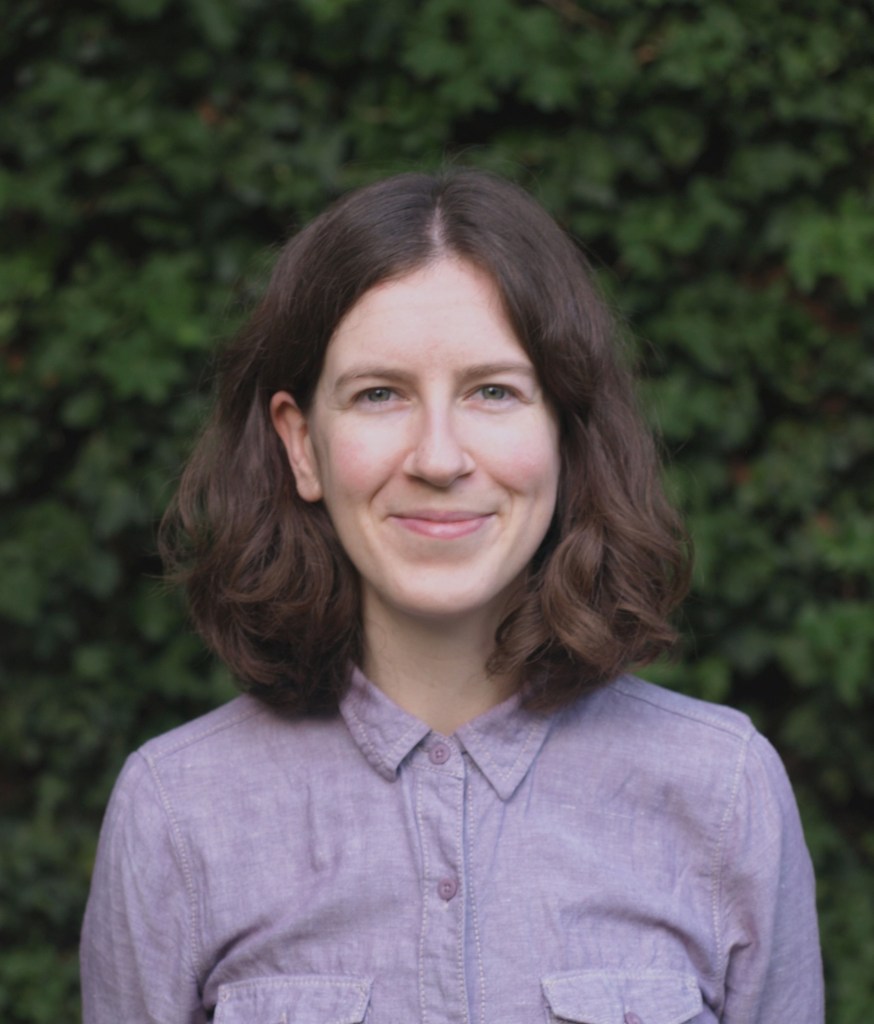

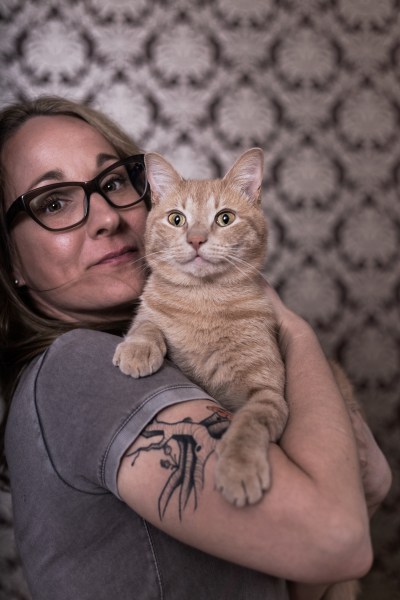 April Ford is a genderfluid author living in Montreal, Quebec with her rescue family. Her fiction, poetry, and essays have appeared in print and online journals in Canada, the United States, Mexico, Germany, and Scotland. She is the recipient of a Pushcart Prize for her short story “Project Fumarase,” and has held fully-funded residencies at Virginia Center for the Creative Arts and Ucross Foundation. Her books include Death Is a Side-Effect: Poems (Frog Hollow Press, 2019) and the award-winning story collection, The Poor Children (SFWP, 2015). Her debut novel, Carousel, is forthcoming in Spring 2020 with Inanna Publications.



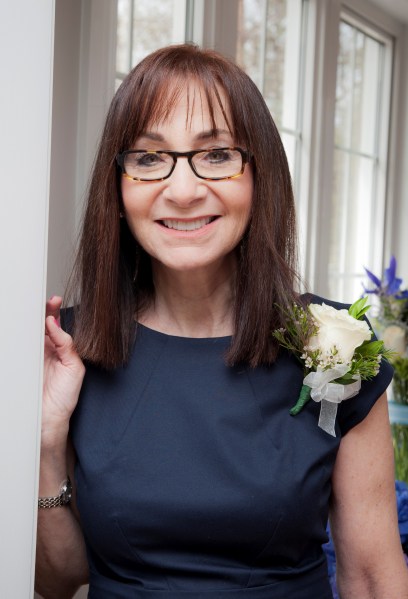
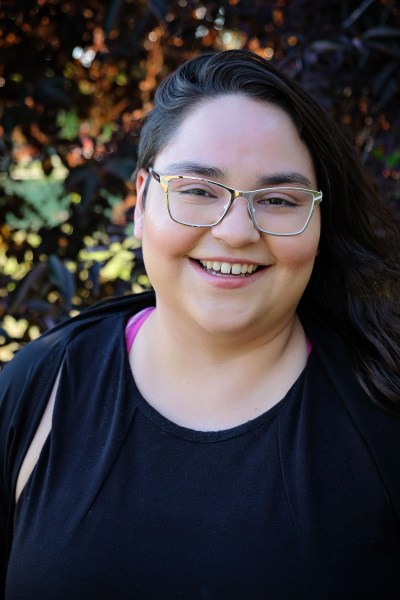
 Shelagh Plunkett is a past winner of the CBC Literary Prize for creative non-fiction. In 2013 her memoir, The Water Here is Never Blue, an extension of her winning essay, was published by Penguin Canada. It was shortlisted for both the QWF Mavis Gallant Prize for Nonfiction and the QWF Concordia University First Book Prize. Shelagh now lives in Montreal, where she is at work on too many projects. Her past hometowns have included Georgetown, Guyana; Kupang, Timor; Vancouver, Victoria, and Toronto; Ricón-de-la-Victoria, Spain; and Salt Spring Island.



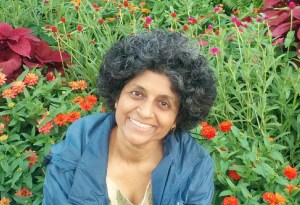 Veena Gokhale, an immigrant shape-shifter, started her career as a journalist in Bombay. This tough, tantalizing city inspired Bombay Wali and other stories, published by Guernica Editions in 2013. Veena first came to Canada on a fellowship, then came back again to do a master’s degree. After emigrating to Canada, she worked for non-profits. Land for Fatimah (to be published in 2018) is partly inspired by the two years she spent working in Tanzania. Veena has published fiction and poetry in anthologies and literary magazines and received writing and reading grants.
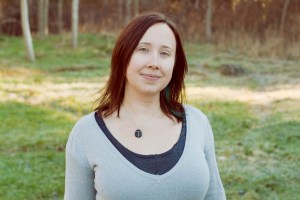 Rachel Thompson’s book of poetry, Galaxy (Anvil Press, 2011), won the SFU First Book Competition. Contest judge Gregory Scofield said her poems had “Wonderful and clear imagery as well as a ‘real’ and ‘true’ sense of place, love, longing, family, and the constant struggle and re-negotiation of self and experience.” She’s a current editorial collective member and former Managing Editor at Room. Rachel helps writers level-up their writing lives with practical advice and kind support at
 Connie Guzzo McParland has a BA in Italian Literature and a Master’s degree in Creative Writing from Concordia University. Her first novel, The Girls of Piazza d’Amore, published in 2013 by Linda Leith Publishing, was shortlisted for the Concordia First Novel Award by the Quebec Writers’ Federation. The sequel, The Women of Saturn, will be published by Inanna Publications in April 2017. Since 2010, she has been co-director and president of Guernica Editions. She lives in Montreal.