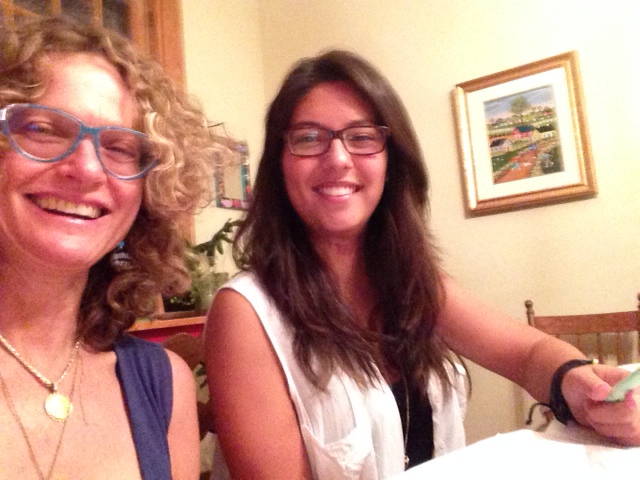
Linda Kay—author, journalist and teacher—died last October. In 2006 she was assigned to mentor me by the Quebec Writers’ Federation, and in the twelve years that followed became a great friend as well as remaining a generous-hearted and gracious advisor. In the months since she died, during the hundreds of times I’ve missed being able to email or call her, I’ve thought often about what I’ve lost without her in my life and what I learned from having her in it. Perhaps most importantly, Linda showed me how essential mentorship is for a writer.
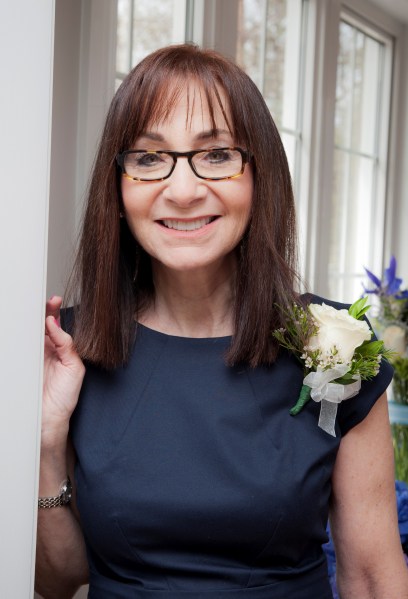
Linda’s achievements as a writer and teacher were impressive (including no less than a Pulitzer won as part of a team early in her career), but recording them here would leave nothing more than a superficial sketch that failed to convey who she was. Similarly, outlining the empty space that her death has opened in my life would leave a hollow impression of our friendship. I’m left wanting to convey one of the most important things I learned from Linda: that mentorship is essential for a writer.
When I moved to Montreal, I joined the QWF to meet writers. I applied to the mentorship program and was introduced to Linda. The first time we met she brought the essay I’d submitted with my application—a short piece about growing up in Guyana, in South America. “Send this in to the CBC Literary contest,” she urged me.
I’d written it in a flurry of frustration one afternoon. It was the sort of writing I wanted to do but was unlike anything I’d ever tried, because it was not the kind of piece my freelance clients were interested in publishing. I didn’t know if the piece was good or bad, but I’d had fun writing it. Linda was adamant, so I took her advice.
She was right; the essay won the CBC Literary Award for creative non-fiction. Linda told me my life would change, and it did. With that award to reflect on and with her encouragement, I began to think I could write more than just simple news pieces, arts profiles, or lifestyle columns. I began to think I might have the chops to string a few words together that might have a deeper purpose, that might offer something more to a reader than a few minutes of entertainment. Linda suggested I approach publishers. “They’ll pay attention to you now,” she said. She was right. Penguin signed a contract with me and my memoir of adolescence overseas—born out of the essay I’d written—was published in 2013.
In the years that followed, Linda continued to inspire me to take the work of writing seriously, because that’s what she did. She applied all her skill, insight, and effort to everything she did, from writing to teaching to friendship; to every assignment, be it a book or a short piece for Costco Connections. Ultimately, what we try to do as writers is communicate. Linda showed me that without giving one’s full passion, focus, and commitment, communication isn’t worth the effort.
Linda didn’t tell me she was sick until quite close to her death, but in her last months we wrote often and our conversations continued to ramble around writing, family, new and old loves, life. She remained as she’d always been, even in our last correspondence, an email sent less than a week before her death from her hospital bed. Linda wrote that she’d passed on my name and the title of my book to a Guyanese intern she’d met, encouraging the woman to seek out my writing. Right to the end, Linda remained a supporter and mentor.
It is not an exaggeration to say I would not be a published author, and would not be writing still, if not for Linda. And now, things have circled back for me: I’ve been hired by the QWF to fill the role for someone else that Linda did for me when we first met. As I key these words, I am embarking on three months of mentoring a promising writer in our community. Though I miss Linda immensely and often, I’ve not lost the gifts she was lavish in bestowing. I will turn to my memories of Linda now and into the future, knowing that by doing so I’ll be motivated to achieve much more than I imagine myself capable of. More significantly, her memory will inspire me to pass on to my mentee what Linda gave me as a mentor.
 Shelagh Plunkett is a past winner of the CBC Literary Prize for creative non-fiction. In 2013 her memoir, The Water Here is Never Blue, an extension of her winning essay, was published by Penguin Canada. It was shortlisted for both the QWF Mavis Gallant Prize for Nonfiction and the QWF Concordia University First Book Prize. Shelagh now lives in Montreal, where she is at work on too many projects. Her past hometowns have included Georgetown, Guyana; Kupang, Timor; Vancouver, Victoria, and Toronto; Ricón-de-la-Victoria, Spain; and Salt Spring Island.
Photo credits: Flickr (header banner), Courtesy of Emily Kay-Rivest (photo of Linda Kay), Niamh Malcolm (headshot of Shelagh Plunkett)

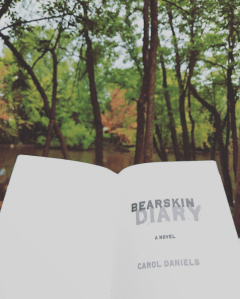 Part of the role of advocates is to select a book, and each of us picked texts that spoke to our own craft and the relationship to our own Indigenous being. Clark was drawn to Simpson’s This Accident of Being Lost because of its poetic and sonic qualities. Much like Simpson’s work, Clark’s music breaks and beckons to tradition. Simpson doesn’t adhere to the infrastructure of the colonial English language. She avoids capitalization. Sometimes she writes in Anishinaabe, and doesn’t feel it necessary to translate. Clark approached her pitch in a similar fashion.
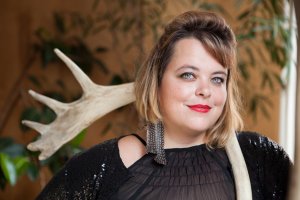 Shannon Webb-Campbell is a mixed Indigenous (Mi’kmaq) and settler poet, writer, and critic currently based in Montreal. Her first book, Still No Word (2015), was the inaugural recipient of Egale Canada’s Out in Print Award. She was the Canadian Women in the Literary Arts (CWILA) critic-in-residence in 2014, and sits on CWILA’s board of directors. Her work has appeared in many anthologies, journals, and publications across Canada, including the Globe and Mail, Geist magazine, The Malahat Review, Canadian Literature, Room, and Quill and Quire. In 2017 she facilitated a book club-style reading of The Final Report of the Truth and Reconciliation Commission of Canada at Atwater Library. Who Took My Sister? is her second book.