
The movers cost about as much as the piano. When they pulled up in front of our house on a muggy day last August, I understood why. Cars darted around the delivery truck as two men coaxed the swaddled instrument down a ramp and onto a dolly. They worked swiftly. Soon, the piano was being ushered up the walkway to our home. I stepped out of the way.
“Who plays?” asked the first mover, in a thick eastern European accent. “You or him?” He nodded at my partner, who was standing on our front porch with a mystified look on his face.
“Both of us,” I said. It was both true and untrue. My partner, a musician, could play the piano. You wouldn’t find him fleshing out a riff on one, though, as he often did on guitar. As for me, I’d played as a child and into my late teens. But the only keys I’d graced as of late were the ones on my MacBook.
The movers hoisted the piano up our front steps. I hovered while they deliberated removing our front door. My partner hurried away to procure the necessary tools. Then the men decided they wouldn’t remove the door. When my partner reappeared, the piano was crossing the threshold.
“You play Bach?” the first mover called to me as he disappeared inside the house.
“Ten years ago I did,” I said. Piano still felt like a first love, cast off with the arrival of adulthood. During my time at university, the digital piano I’d optimistically bought and shuffled from one apartment to another had all but gathered dust. Eventually, I had resigned myself to reality and sold it off.
Now, I was keenly aware of the privilege of owning a piano, especially in the city, where space, soundproofing, and noise-tolerant neighbours are limited. My partner and I had just moved into an apartment that felt like a real home—another privilege. Fortuitously, that home also happened to be on the ground floor.
With the piano stationed in our living room, the movers left as quickly as they’d arrived. I stared at the instrument with both awe and unease. It had been my partner’s idea: something for both of us. Privately, I had reservations. Where would I find the time? Could I even still play? Would this piano, like its abandoned digital cousin, become a symbol of the person I wanted to be, instead of the person I actually was?
“Would this piano, like its abandoned digital cousin, become a symbol of the person I wanted to be, instead of the person I actually was?”
I spend a lot of time thinking about the person I want to be. I may call myself a writer, but without a published book, I don’t always feel like one. I may have a string of small-time successes, but those publications are also reminders of the frustrating slowness of the writing process. Patience is a virtue when it takes years to go from an idea to a polished manuscript to a published story.
“I spend a lot of time thinking about the person I want to be. I may call myself a writer, but without a published book, I don’t always feel like one.”
The piano arrived during a transition period. The move meant more financial responsibility, and as a freelancer, I quelled my anxiety by taking on a full-time contract in addition to my regular workload. Suddenly, I was juggling clients and rising at an unspeakable hour, hoping to squeeze in some writing. Most of the time, I was barely managing my inbox. I thought constantly about my stalled manuscript, and envisioned its completion date slipping farther and farther into the future.
Playing music, I soon remembered, was exhilarating. My fingers settled back into the waltzes and études I hadn’t played in years. I had never been a technically oriented player; now, the mistakes I made mattered little, if at all. There was nothing to prove and no one to prove it to. The joy of playing was enough.
As busy as I was, piano felt like a reprieve instead of an obligation. Sometimes, just seeing the piano—the fact that it took up a quarter of our living room made it hard to miss—was enough to make me stop whatever I was doing, sit down, and play. Why, I wondered, couldn’t writing be that easy?
“Sometimes, just seeing the piano… was enough to make me stop whatever I was doing, sit down, and play. Why, I wondered, couldn’t writing be that easy?”
As summer turned into fall and fall into winter, I kept juggling work commitments. Yet, I knew it wouldn’t be like this forever. A few months of industriousness meant I was in a position to be more selective in the months to come.
Meanwhile, I’d learned a new song on the piano. I hadn’t told myself I would learn anything; I’d simply made a habit of sitting down on the bench. My new musical practice served as a reminder that it is the act itself, not the end result, that counts. As the year wound down, I kept thinking about my manuscript but I stopped agonizing over when it might be finished. All I can do is keep writing when I can. That is enough.
 Carly Rosalie Vandergriendt is a Montreal-based writer and translator whose work has appeared in Prairie Fire, Matrix, The Malahat Review, The Fiddlehead, Room, PRISM International,and elsewhere. Her story “Resurfacing” was recently shortlisted for the Carter V. Cooper Short Fiction Prize. Carly is a recent graduate of the University of British Columbia’s Optional-Residency Master of Fine Arts in Creative Writing program, and is currently working on a short story collection titled Playing the Man. Visit her at carlyrosalie.com or follow her @carlyrosalie.
Photo credits: Simon-Pierre Lacasse

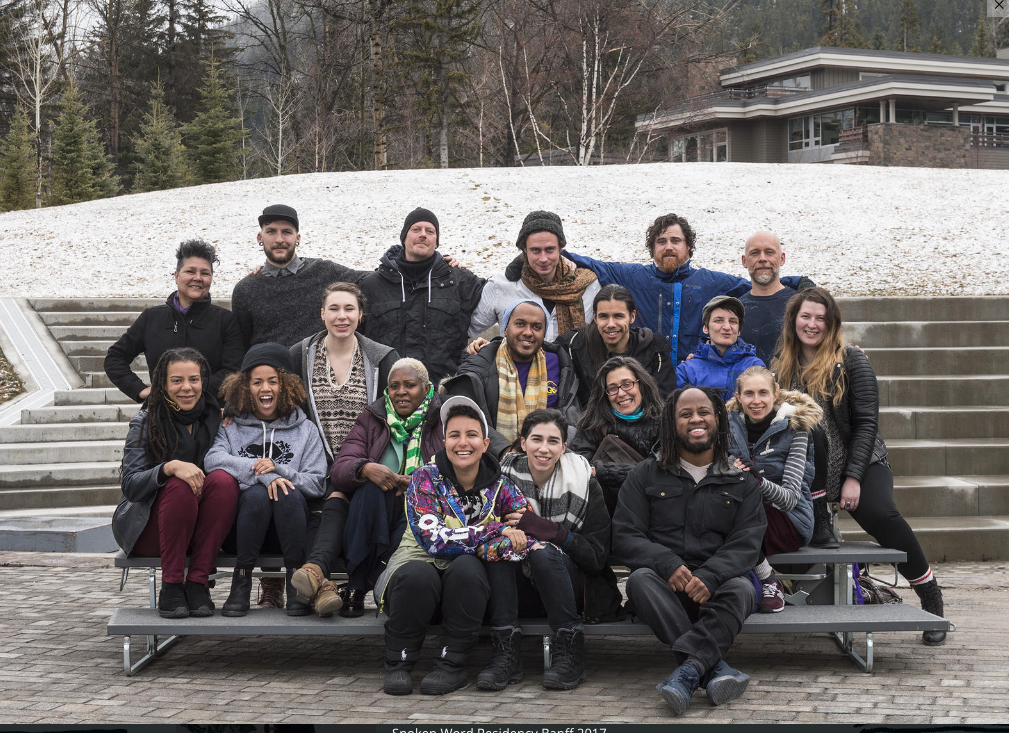
 B.A. Markus is a writer, teacher, and performer living in Montreal. She is an award-winning creative nonfiction writer, a Grammy- and Juno-nominated songwriter, and her reviews, essays, and stories can be found in anthologies and publications such as Carte Blanche, Queen’s Quarterly, and The Montreal Review of Books. She tells stories live at the Confabulation and The Yarn storytelling events and is currently writing a series of monologues, entitled “What Mommy Needs,” about what mothers do to survive the realities of motherhood.
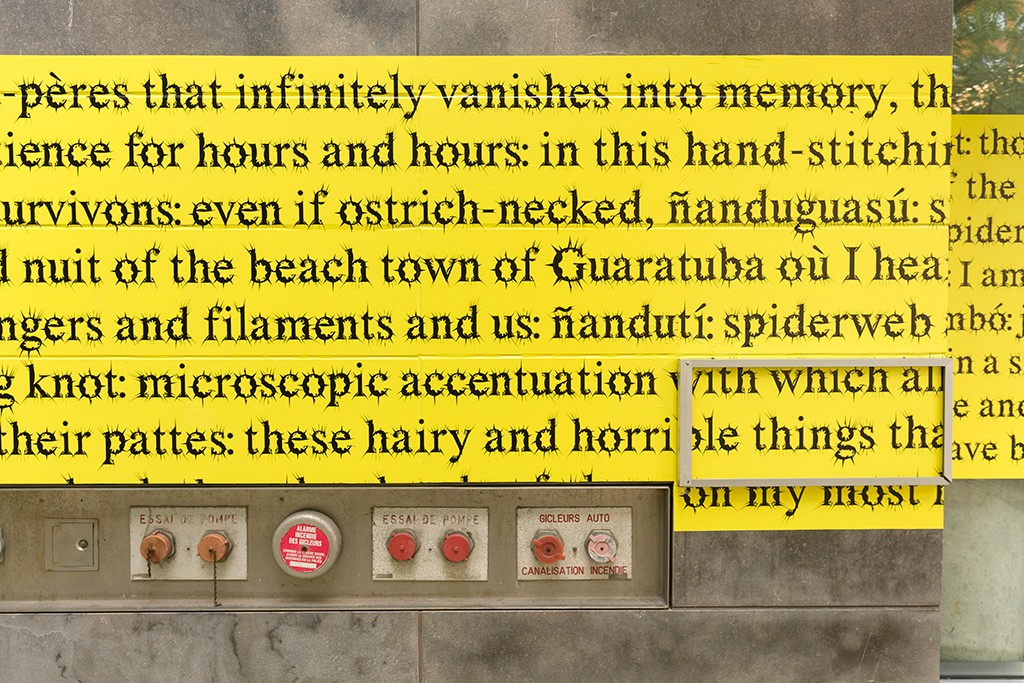 On the evening of November 9, 2017, there was sheer delight on all sides at Concordia University’s FOFA Gallery in Montreal, where the public gathered with me, artist Andrew Forster, and renowned translation theorist and researcher Sherry Simon to talk about Forster’s outdoor exhibition, Mer paraguayenne / Paraguayan Sea. For months, the EV building at the corner of Ste. Catherine and Mackay streets has been wrapped with wide, yellow banners holding words from Wilson Bueno’s Paraguayan Sea, in my translation. The bright colour of the banners and the strangeness of Forster’s barbed font attract the attention of passersby to words in three languages.
 Ñandutí, said Valeria, a Montréal architect from Paraguay, I saw nothing else but the word “ñandutí” and I thought: “What is this word doing here? How did it get here?” It is not usual to see Guaraní in Montreal. She googled the word and Concordia together, found out about the event, and came. She spoke of the significance of the fabric and lace known as “ñandutí,” how it weaves seven-million Paraguayans together, and how amazing it was to see its weft embracing English and French in Montréal.
 Erín Moure is a poet and translator. She has published over 30 books of poetry, essays, memoir, and translations from French, Spanish, Galician, and Portuguese. She lives in Montreal.
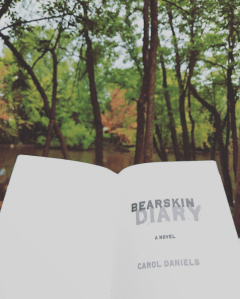 Part of the role of advocates is to select a book, and each of us picked texts that spoke to our own craft and the relationship to our own Indigenous being. Clark was drawn to Simpson’s This Accident of Being Lost because of its poetic and sonic qualities. Much like Simpson’s work, Clark’s music breaks and beckons to tradition. Simpson doesn’t adhere to the infrastructure of the colonial English language. She avoids capitalization. Sometimes she writes in Anishinaabe, and doesn’t feel it necessary to translate. Clark approached her pitch in a similar fashion.
 Shannon Webb-Campbell is a mixed Indigenous (Mi’kmaq) and settler poet, writer, and critic currently based in Montreal. Her first book, Still No Word (2015), was the inaugural recipient of Egale Canada’s Out in Print Award. She was the Canadian Women in the Literary Arts (CWILA) critic-in-residence in 2014, and sits on CWILA’s board of directors. Her work has appeared in many anthologies, journals, and publications across Canada, including the Globe and Mail, Geist magazine, The Malahat Review, Canadian Literature, Room, and Quill and Quire. In 2017 she facilitated a book club-style reading of The Final Report of the Truth and Reconciliation Commission of Canada at Atwater Library. Who Took My Sister? is her second book.
 Veena Gokhale, an immigrant shape-shifter, started her career as a journalist in Bombay. This tough, tantalizing city inspired Bombay Wali and other stories, published by Guernica Editions in 2013. Veena first came to Canada on a fellowship, then came back again to do a master’s degree. After emigrating to Canada, she worked for non-profits. Land for Fatimah (to be published in 2018) is partly inspired by the two years she spent working in Tanzania. Veena has published fiction and poetry in anthologies and literary magazines and received writing and reading grants.
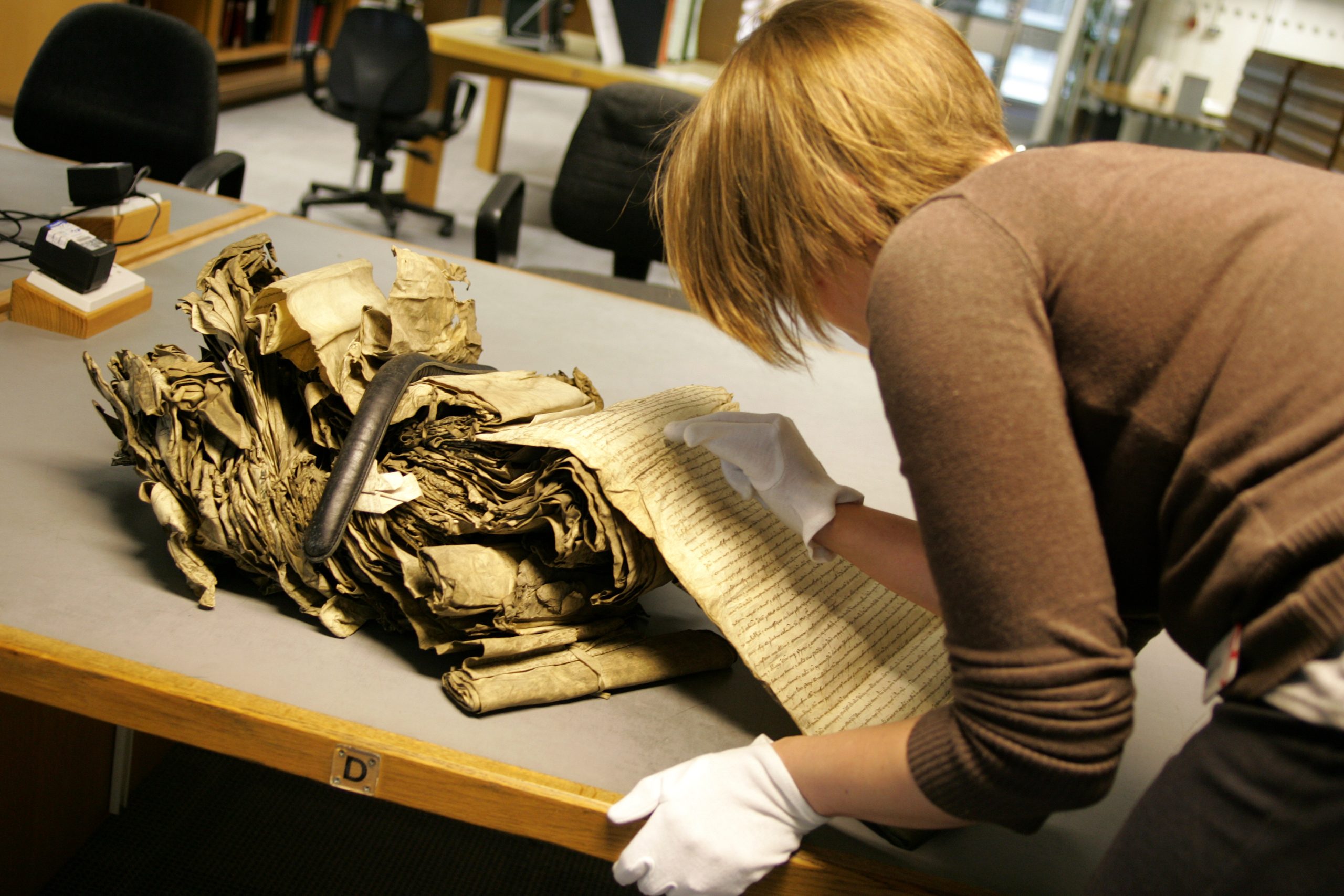

 Linda M. Morra is a professor of Canadian literature and Canadian Studies at Bishop’s University. Her book, Unarrested Archives (UTP 2014), was shortlisted for the 2015 Gabrielle Roy Prize in English; her edited edition of Jane Rule’s Taking My Life (2011) was a finalist for the LAMBDA prize (2012). She is the current president of the Quebec Writers’ Federation.




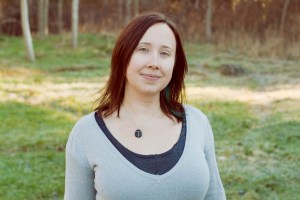 Rachel Thompson’s book of poetry, Galaxy (Anvil Press, 2011), won the SFU First Book Competition. Contest judge Gregory Scofield said her poems had “Wonderful and clear imagery as well as a ‘real’ and ‘true’ sense of place, love, longing, family, and the constant struggle and re-negotiation of self and experience.” She’s a current editorial collective member and former Managing Editor at Room. Rachel helps writers level-up their writing lives with practical advice and kind support at
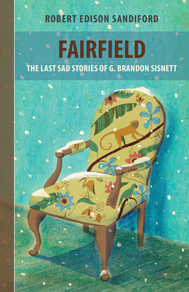
 Robert Edison Sandiford is the author of nine books, most recently Fairfield: The Last Sad Stories of G. Brandon Sisnett. He is the founder, with the poet Linda M. Deane, of the cultural forum