Tag: Writer

  • Writing Fiction in the Age of Artificial Intelligence—By Duncan Hart Cameron

    Writing Fiction in the Age of Artificial Intelligence—By Duncan Hart Cameron

    Has it all been for nothing? 

    All of the hours that I have spent in front of my computer, rising at dawn to be at my station, pounding out stories, working through the fear of not being good enough, of not being able to put something great on the page, something that is part of me, that is me. The scrawls in my notebook, the daydreaming when I walk. The small steps and incremental gains. The steady getting there.

    All for naught.

    Because ChatGPT or something like it—an artificial intelligence—will one day write a poem or a short story or even a novel that is as compelling as one of my own. Somewhere, a bunch of programmers are laughing at me: “You think what you do is special? I can make an app for that.” And they have.

    So why should I bother to write at all?

    Because it is not just about the result or the finished product. Not even close. I’m sitting here, holding one of my books in my hand, an anthology of short stories that I helped edit and to which I contributed. I admire the cover that took so many hours to format and the font that we debated for far too long. I flip to my piece, about falling in love in Paris while on exchange, and I remember when I wrote it. The feeling of gliding across the keyboard because I was on a roll. The delight I took in capturing a tender, painful moment in my life in words. Giving it existence and conveying it to others.

    The process I went through to publish the story imbued the entire project with meaning, like looking down a trail that you have hiked and taking pride in the work that it required to get there. That sweaty, joyful glow. The trail is just a trail, a path in the woods, until you have walked every foot of its length. Then it becomes something more. Something that is part of you. Imagine being plunked down at the end and looking back. Would you feel the same pride? Of course not. The trail would be meaningless, and your only relationship would be with the shortcut. (Which, in the case of AI, is very short indeed!) Likewise, a book is not just the words on the page. It is the physical manifestation of our grit and our pain and our faith. It is a symbol of our effort to impose meaning on our lives. Because that is what writing does. It gives us purpose. I know where I will be tomorrow morning and the morning after. I organize my social life, my diet, my sleep, and my family time around this central goal. There is clarity and comfort in that, not to mention satisfaction. I don’t think us writers can imagine living any other way.

    And what about the reader? Reading is about the writer, not just about the book. We read to be entertained, sure, but we also read to have a kind of communion with the author. We want to hear their voice in our minds and to know what they know. We want to taste their insight and their imagination and their courage. A bot could theoretically write a book like One Day in the Life of Ivan Denisovich or The Gulag Archipelago. But would those bot-made pieces really have the same meaning as Aleksandr Solzhenitsyn’s work, published after having spent eight years in a Russian prison? Of course not.

    Incidentally, ChatGPT can “write” in the style of Solzhenitsyn, or Ernest Hemingway, or Jane Austen, because their books already exist. It is essentially a massive synthesizer of existing data, improved by constant refinement of its answers to prompts, and it predicts what is likely to be the next sentence based on billions of previously written texts. Without authors (without us!) producing real work, Chat GPT, and other AI models like it, have nothing to say.

    And that’s the core of it, isn’t it? You can’t untether art from the world. Art is inextricably linked to human experience and to human will. Otherwise, what the heck is it? Writing is not plagiarizing thoughts and feelings, it is confronting our own inadequacy, our fears, our yearnings and spilling it on the page in a way that resonates with others. The catalyst is empathy, which links the reader and the writer together. Bots do not know what it is like to lose a loved one or to suffer rejection or to yearn for revenge. Only humans do. And it is that knowledge that readers seek when they open a book. 

    In the end, bots will produce cool stuff, even great stuff, things we could never have imagined before (check out DALL-E); but writers will continue to write, and readers will continue to read human work, because the process itself makes the act and the result meaningful. If anything, we will start to see more novels that explore the ways that AI intersects with and changes art, rather than rendering that art extinct.

    As that unfolds, you know where I’ll be. In front of my computer toiling away, or daydreaming on a walk.

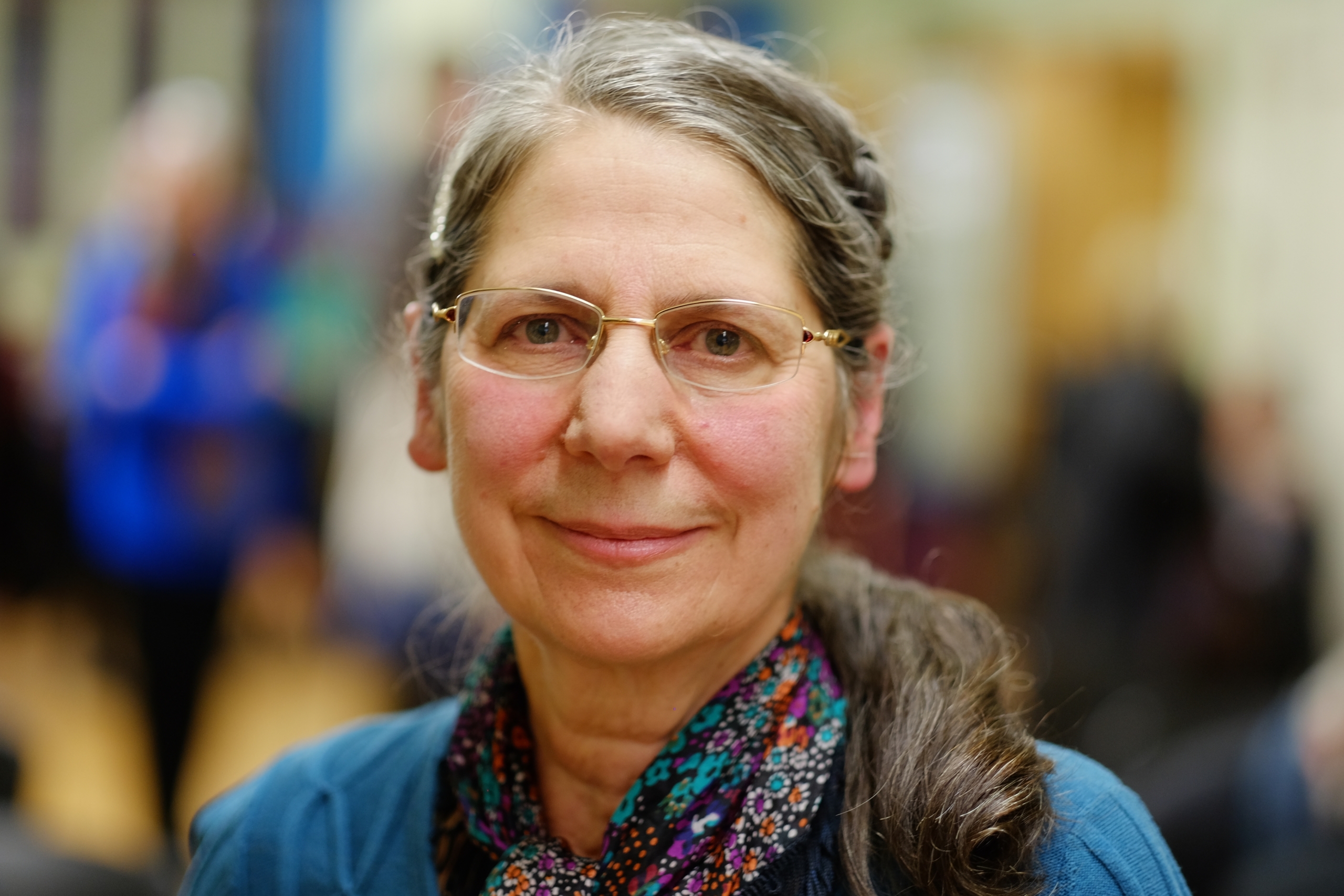
    Duncan Hart Cameron has taught college-level philosophy in Quebec for over twelve years. Born in Ontario, he lived in BC before moving to Montreal in 2001 to pursue a Master’s in Philosophy. A passionate writer and editor, he recently helped found Les éditions comme au vingtièmea bilingual literary review and independent publisher focused on supporting emerging writers, poets, and screenwriters living in Montreal and the Laurentians. His first novella, Eclipsed, is set to appear in the Fall of 2023 and explores the hold that our past can have on our present, especially in our most intimate relationships.

    Photos: Loz Pycock via Flickr (header banner); Duncan Hart Cameron (headshot)

  • Changing the Scenery to Refresh Your Writing—By Kate Hammer

    Changing the Scenery to Refresh Your Writing—By Kate Hammer


    There’s a bit of writing advice that I receive a lot: treat writing like your full-time job, sit down at the same time and place everyday, train your brain to be creative. I’ve heard it again and again, because it works. 

    For others, I’m assuming. 

    I’ve never been able to hold down a routine. Consistency makes my skin crawl, so I’ve had to find another way to inspire creativity and meet deadlines. By changing where you write, you change the way you write: it becomes varied, rooted in distinct experiences, and tonally original. And when was the last time you complained about writing too dynamically?

    Being in a different place can help our stories feel easier, inspire us to notice more, and make returning to our writing place a whole new experience. It can be as small as changing the direction of your desk, or as big as a weekend away without a whisper of internet connection. Or, you can uproot your entire life and move across an ocean.

    At the end of 2020, I moved to Scotland for a writing Master’s. I’d lived in Montreal for a few years, the longest I’d settled down anywhere for a decade, and was starting to get the itch. I was aware moving in the middle of a pandemic wouldn’t be easy, but I also knew it was the challenge I needed. Not only did I instantly become an outsider, but all the habits I’d labeled as normal in myself became something to scrutinize, something of interest.

    Without meaning to, we put our surroundings into everything we write. Maybe the sun is shining, you’ve just had an argument, or you’ve been given an eclectic mug that you know the protagonist of your story would also have; we are sponges that ooze plot. Now, I’m not trying to convince anyone to move halfway across the world like I did, but I am trying to inspire you to get out of your comfort zone. 

    Perhaps it is sitting outside, acting like a tourist in your own city, or treating yourself to a cafe that you’d normally walk past. It can be directly useful, such as visiting the same city as your character, or discovering a hobby by chance that you never thought they’d be into. 

    As soon as I landed in the UK, I knew my brain was aware in a whole new way, and I have the journal entries to prove it. From the roads never being wide enough for two cars, to the public walking paths taking you through fields of sheep who think you have food and charge towards you with impressive speed. I was learning again how I react under pressure; meeting new types of people with traits that could easily be given to characters; feeling the familiar stress of not immediately belonging.

    Putting ourselves in different environments makes us think differently about our stories, and our characters. As much as you know them on paper, knowing what they’d notice in an all-night pharmacy at 1 a.m., or who else would be there, is another matter entirely. You’re reconnecting with your world, and observing the behaviours of strangers as they unknowingly walk through your homework. Those real character actions aren’t something you can buy with money, only with your time. 

    It can take a lot of energy, to suddenly be aware of what’s around you again, or to take on new places, but alongside a healthy relationship with discomfort comes a balanced connection with rejection. As writers with a list of submission dates, we need to practice resilience against the vulnerability and fear of the job.

    The best part of switching up your space, however, is coming back home. Whenever I return to Canada, to my family farm, to my writing desk, I see everything all over again. Not as if for the first time, but I notice different things, items I’ve forgotten to look for. It’s that nostalgia of returning somewhere that makes you comfortable. I guarantee you’d describe your living room in a whole new way if you went a few days without seeing its walls, its stained carpet, how the afternoon sunshine has faded the couch.

    Changing your writing space may not always go well, but this is part of the magic: we’re rarely lost for words when complaining. Every experience feeds into your writing and characters in unexpected ways. 

    Remember that writing isn’t always putting words on paper. Even if you don’t get a lot of work done, changing the scenery can be an excuse for a vacation, a walk, or a redecoration. It’s how we turn ourselves into our own best editors, looking at things in a whole new way, as a slightly different person. And if you need to move to the UK to do that, I’ll be here to support you. 


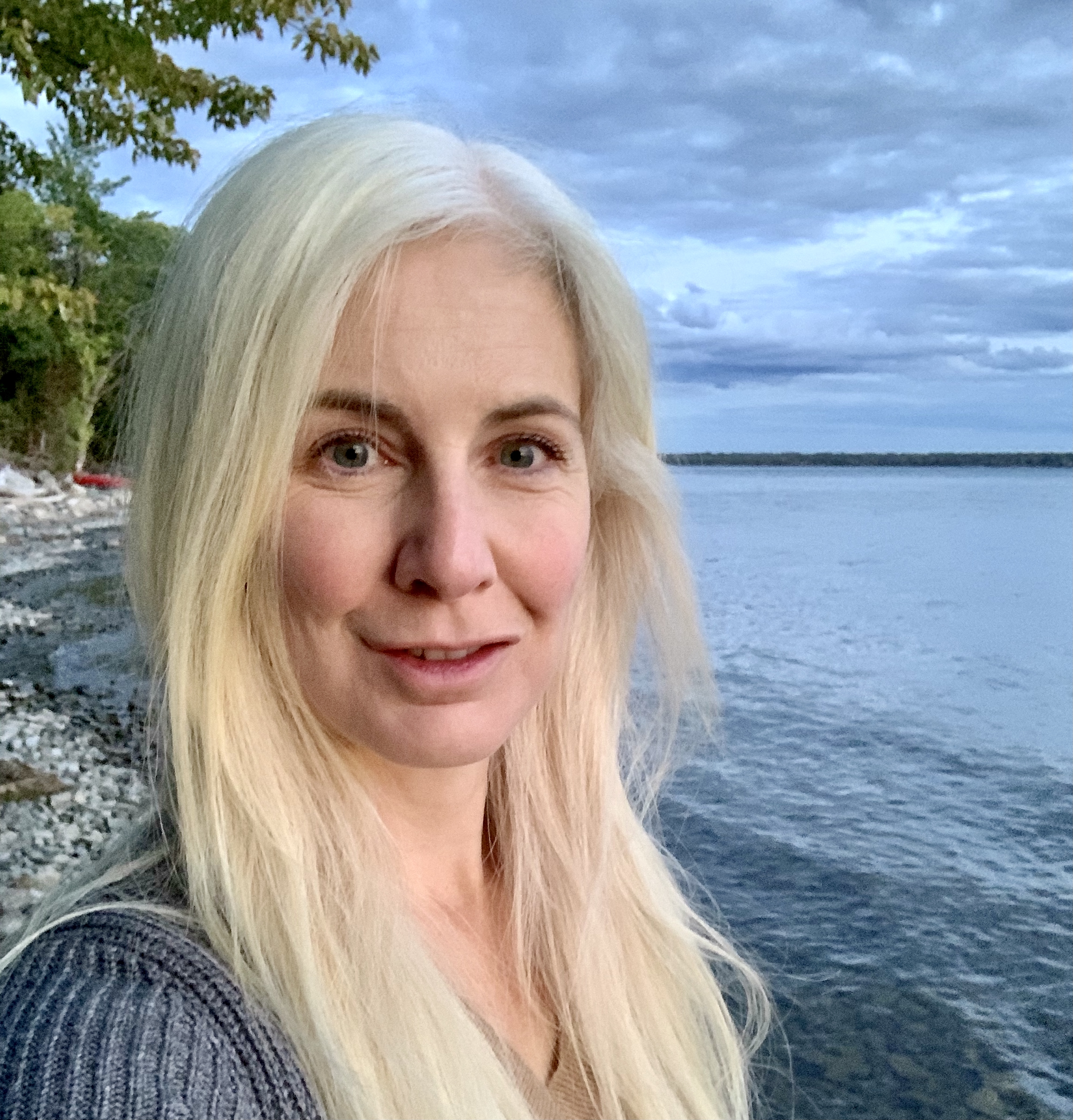
    Kate Hammer is a writer, producer, and performer born in Canada, and living in Scotland. An award-winning playwright, director, and published writer, Kate constantly strives to create community representation in order to tell the stories that need to be heard. They now work in television development and are publishing a non-fiction book later this year called, Bruce Willis is My Dad. They are a queer, neurodivergent creator who never forgets their goat farming heritage. katethehammer.com

    Photos: Monstera via Pexels; Jeremy Cabrera (headshot)

  • Pushing Past the Fear of Writing Nonfiction—By Chanel M. Sutherland

    Pushing Past the Fear of Writing Nonfiction—By Chanel M. Sutherland

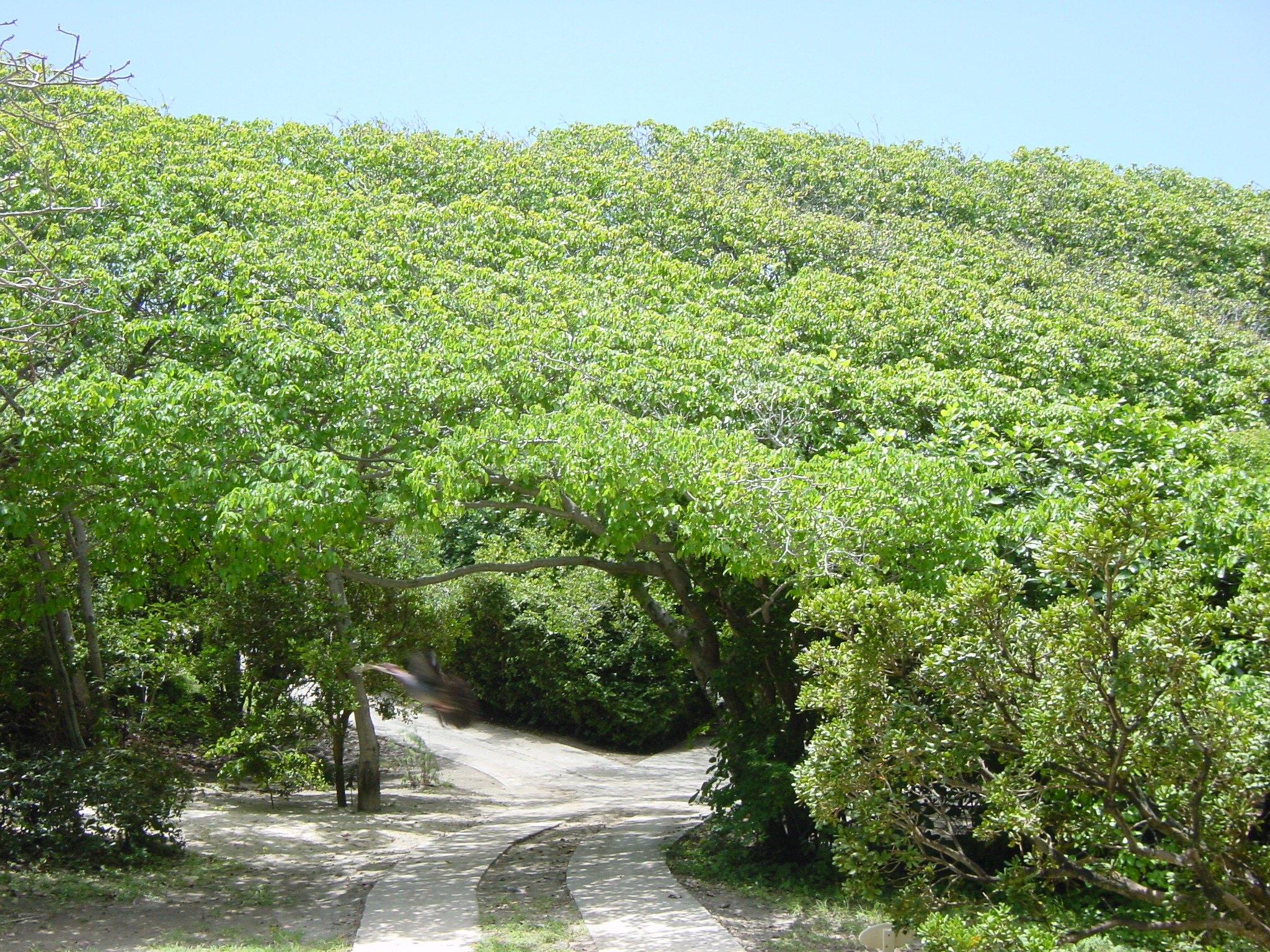
    The trees of St. Vincent and the Grenadines.


    If I’m being completely honest, writing nonfiction terrifies me. 

    But recently, I’ve felt compelled to write the truth.

    To write the stories that have shaped the trajectory of my life and—as if that wasn’t enough—have lodged themselves into my creative conscience, demanding to be told at all costs.

    It started with a single story, “Umbrella,” that I wrote out of pure exigency two years ago. 2020 was a heavy year for many reasons. The world became saturated with personal stories and confessions. Everywhere I turned—social media sites, the news, books, conversations with friends—people spoke out about their experiences with various kinds of discrimination and violence. 

    Suddenly, I found myself confronted by my own memories. They rose out of the trenches of my mind like shadows growing bolder in my darkest hours. They wanted to be written.

    Before, if you had asked anyone who knew me as a writer, they would have told you that my stories mainly deal with the unreal or unproven: futuristic robots, aliens walking around in human skin, scarecrows climbing down from their perch to seek revenge on those who impinge on their domains. This is the realm of storytelling where I feel most at home. One can argue that I write these stories to stay detached from real life.

    I had spent more than two decades circumnavigating my memories and deferring the day when I’d have to finally write about them. When they began to emerge unprompted, I knew my time had come. For the first time in a long while, I found myself turning away from speculative fiction to write something that made me uncomfortable. Nonfiction.

    “Umbrella” is the second nonfiction story I have ever written and the only piece I have shared with readers. Perhaps it is short and breathy for that reason. A panic attack on paper. When it won the 2021 CBC Nonfiction Prize, not only was I surprised, I was frantic. 

    Was I ready to expose myself in this way?

    The simple answer was no, but I’ve since learned that nothing is ever simple when it comes to writing. If it were, it would hardly be worth it.

    It became clear that nonfiction had chosen me, and I had no choice but to take the plunge and see it through. Once I decided to start curating a collection of stories based on my experience as a Black Caribbean immigrant child, I faced another difficult question.

    How much can I reveal about others in my stories?

    In this case, the “others” were primarily my family, and without their support, I knew that I would not be able to write the collection. There were no stories without them. My mother was the catalyst for many integral moments in my childhood. My grandparents the glue that fixed the pieces together in many ways—however imperfect. 

    I’ve always been a solitary writer. I prefer to be completely isolated when writing, and I usually avoid discussing any story until it is completed. With these stories, I knew there were people I needed to speak to and include from the start. 

    Not only was nonfiction changing my craft, but it was also now impeding on my process.

    Having that first conversation with my mom was one of the greatest moments we have shared. It was a warm autumn day; mom and I were meeting up for our weekly walk around the neighbourhood. I don’t recall how I broached the subject of writing the stories. Knowing myself, it would not have been direct.

    What I do remember is the excitement mom expressed in learning that I wanted to do this. She answered any questions I had, voluntarily filled in gaps in my recollection, and even offered to help with the research. Her reaction trickled down to my sisters and aunts, and before I knew it, everyone else was on board.

    I will forever cherish a messaging thread between mom, my sisters, aunts, and me. We were trying to remember the name of a tree native to St. Vincent and the Grenadines. We all knew it by a different name and had our own tales about it, but no one could figure out its one true name.

    This tree became the emblem of my nonfiction endeavor. A thing from my family’s collective past that—though still elusive—we are learning more about each day from one another. 

    As I continue to research and write these nonfiction stories, there is a certain sense of unshackling from the past. And while I begin to see who I am today refracting from each new piece, I am also illuminated by another light: that of my family. 

    So, maybe being terrified of writing nonfiction is not such a bad thing after all.


    Chanel M. Sutherland is the winner of the 2021 CBC Nonfiction Prize for her story “Umbrella” and the recipient of the 2022 Mairuth Sarsfield Mentorship, a component of the Quebec Writers’ Federation’s Fresh Pages initiative. Born in St. Vincent and the Grenadines, Chanel moved to Montreal, Quebec when she was ten years old. She holds a BA in English Literature from Concordia University, and is currently writing her first book, a collection of short stories that explore the Black Caribbean immigrant experience. csuther.com

    Photos: Lyn Gateley via flickr; Chanel M. Sutherland (headshot)

  • I Thought I Was Writing a Potboiler—By Robyn Sarah

    I Thought I Was Writing a Potboiler—By Robyn Sarah

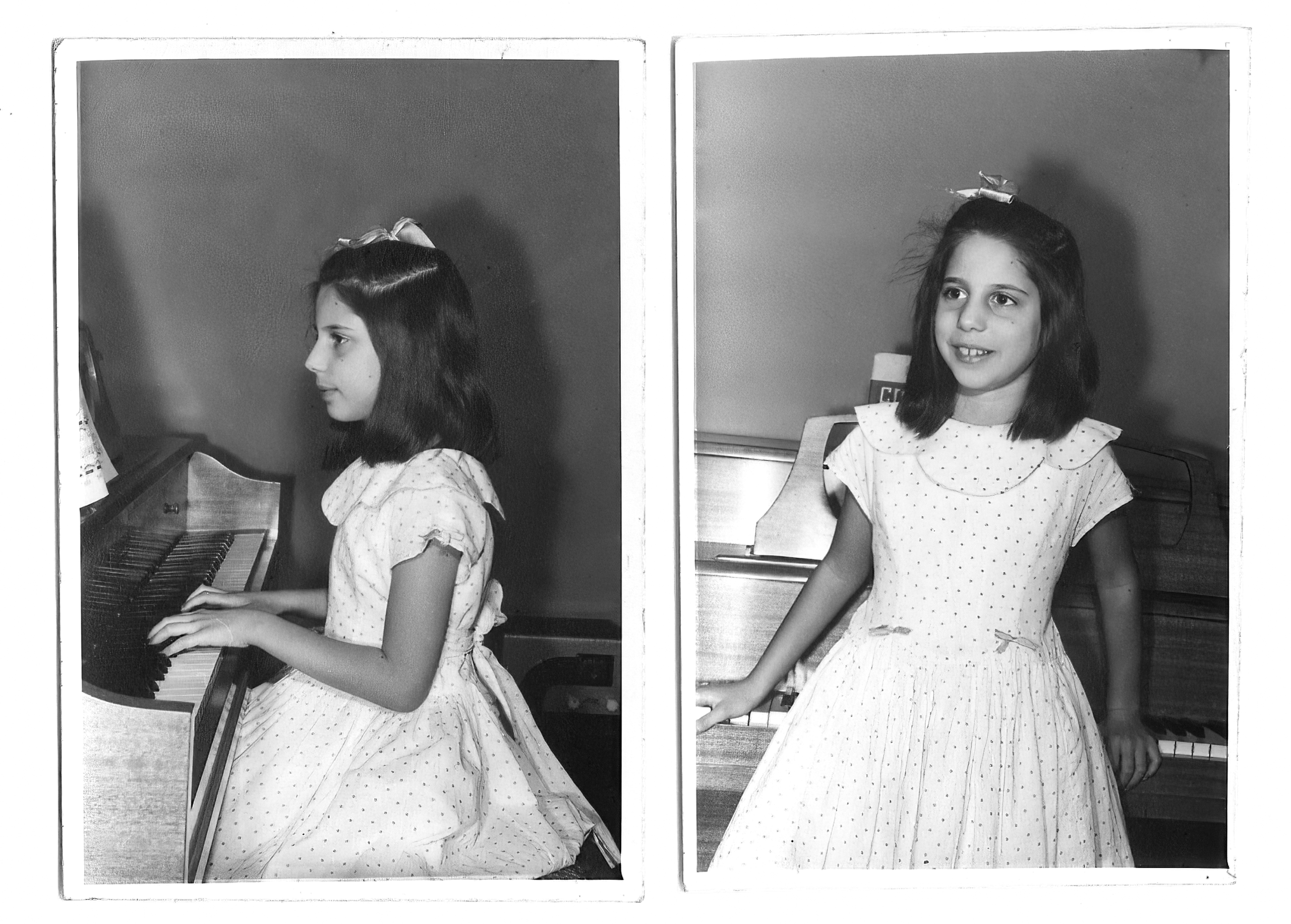
    Robyn Sarah, age eight. (Photo courtesy of author)


    I’m a literary writer to the bone: nothing I’ve written has ever paid enough to keep food on the table for long. But in 2009, during a spell when my muse for poetry and fiction seemed to have gone AWOL, I had the idea to write a short personal narrative, a book I could finish quickly and get published quickly. A potboiler, so to speak—not in the commercial sense, but to reassure myself that I was still a writer. It would be a story about returning to study piano at the age of fifty-nine, after a thirty-five-year lapse, culminating (hopefully) in a modest recital on my sixtieth birthday. A debut at sixty! I had never performed on piano as a teen or young adult. Of course, I would have to live this story before I could tell it. One year of goal-oriented piano lessons, during which I would track my progress in a journal; then a few months to turn the field notes into a book.

    Ten years later, the manuscript still wasn’t finished. And it wasn’t short.  A two-year purgatory of editing and revising had yet to begin. Music, Late and Soon was finally published in August 2021. Only vaguely does it resemble the book I thought I was going to write. What happened? How did I lose control over the best-defined, most straightforward writing project I had ever conceived? 

    The key may be in that term, “writing project.” Poetry is my primary genre, and while some poets do conceive poetry collections around a premeditated subject, I’m not one of them; my poems have always been composed individually, to be gathered later into collections. Even individual poems tend to begin without a clear subject in mind, but rather with some observation of the moment—an image, a feeling, a memory fragment, maybe just a phrase I like the sound of. My short stories begin similarly; there’s never much plot or a clear idea of where I’m going. This makes for some anxiety while writing, but it’s my natural process as a writer.

    When I contacted my old piano teacher (then in his eighties) and outlined my project, asking if he might be willing to give me some guidance, he wondered why I was fixated on the idea of performing, especially on a schedule. “Why not just start working again, and see where it leads? Playing the piano is like any art form, any creative process. It can’t be forced, it doesn’t work by deadline.”

    In retrospect, he had answered my “What happened?” question before it could need to be asked—had I really been listening. Wasn’t I listening? I thought I was. I thought he was saying something I already understood as a writer. But I didn’t think what he was saying applied to the book I had in mind. This book was going to be different. It was going to be easy—a straight line from here to there. The return to lessons, the year of preparation, the recital, The End.

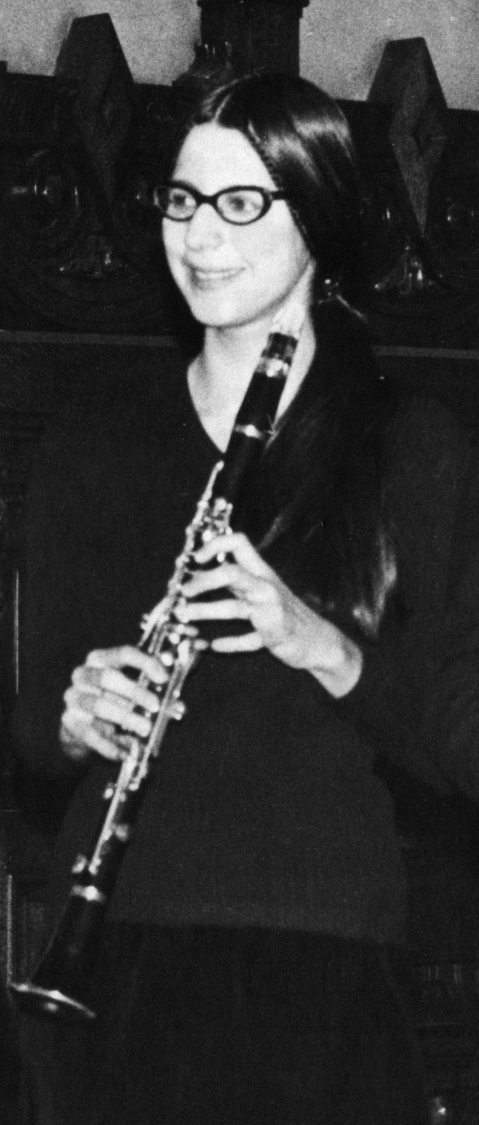
    But wait. A “return” to lessons implied a past. Why had I stopped studying piano? Why was I now fixated on the idea of performing? Moment of truth: I might need to provide a bit of backstory if I expected to interest a reader in my late-life musical venture. I did, in fact, have some experience of musical performance; the trouble was, it wasn’t on piano. For a decade I had studied clarinet in a professional music school, aspiring to a career as an orchestral musician. I had graduated, but had not pursued that path. Nor had I ever really looked back or asked myself why.

    Robyn Sarah, circa 1972.
    (Photo courtesy of author)

    Obviously this wasn’t the time or place to get into all that: it would just complicate the main story. Sticking to my plan, I began studying piano again, keeping detailed notes on the lessons. In tandem, I wrote some reminiscences of childhood: earliest memories surrounding the piano, early lessons with three different teachers before I came to study with the mentor I’d just reconnected with. I drafted a first chapter based on this material—a summary that, I thought, adequately contextualized where I was coming from. It glossed over my music school years on clarinet, allotting them a passing mention but keeping the focus on piano.

    Next moment of truth. I read the chapter aloud to a friend I’d known since high school, who had studied piano with the same teacher-mentor and was now a professional pianist and educator. After listening affably, expectantly, to the end, he was silent a moment, then blunt. “So, what’s the purpose here? I’m not getting a sense of why I should care about all this. And how could you leave out your ten years as a clarinetist?”

    “I didn’t! They’re there.” I pointed to the relevant paragraph. 

    “What, that’s it? Are you telling a story, or writing a CV? Those years were a fundamental part of your musical history! You aren’t being honest with the reader here. This isn’t you. I’m not hearing your real voice, because you’re not telling your real story.”

    My heart sank, because I recognized immediately that he was right. The bottom had just dropped out of my “project.” But once I accepted that, the book suddenly came to life. I realized I did have a story to tell—a buried one, on which the significance of the current one depended. I was going to have to delve into that unexamined past and make some sense of it, find out how it connected to my present moment. There were mysteries to explore here…

    I began asking myself questions: one led to another. I dug up and pored over surviving journals and letters from my high school and music school years. Present self and past selves collided and seemed to have things to say to each other. The pianist and the clarinetist had things to say to each other. The writer and the musician had things to say to each other. They all had questions of their own about creative process: what nurtures it, what can get in the way of it?

    A familiar anxiety swept over me as I realized that my “potboiler” was morphing from a brief narrative with a one-year time frame into a musical autobiography spanning my whole life. How was I going to weave all these strands into something coherent and beautiful that I sensed could be made of them, the way a composer weaves together multiple voice-lines in contrapuntal music? A familiar excitement tempered the anxiety, giving me the patience to spend ten years finding out.


    A Biblioasis Interview with Robyn Sarah

    Robyn Sarah reads her poem “Station”, from her Selected Poems, Wherever We Mean to Be (Biblioasis, 2017).

    “The book’s title is taken from this poem. I chose it because it expresses something that runs through all my poetry: a fascination with the way past and future, memory and intention, inhabit our present moment.”


    Spotlight on Wherever We Mean to Be by Robyn Sarah


    Photo by Stephen Brockwell

    Robyn Sarah is a Montreal poet and writer whose 2015 poetry collection, My Shoes Are Killing Me, won the Governor General’s Award for that year. Her “potboiler” was short listed for last year’s Mavis Gallant Prize for nonfiction.

  • Writing Through Grief—By Louise Penny

    Writing Through Grief—By Louise Penny

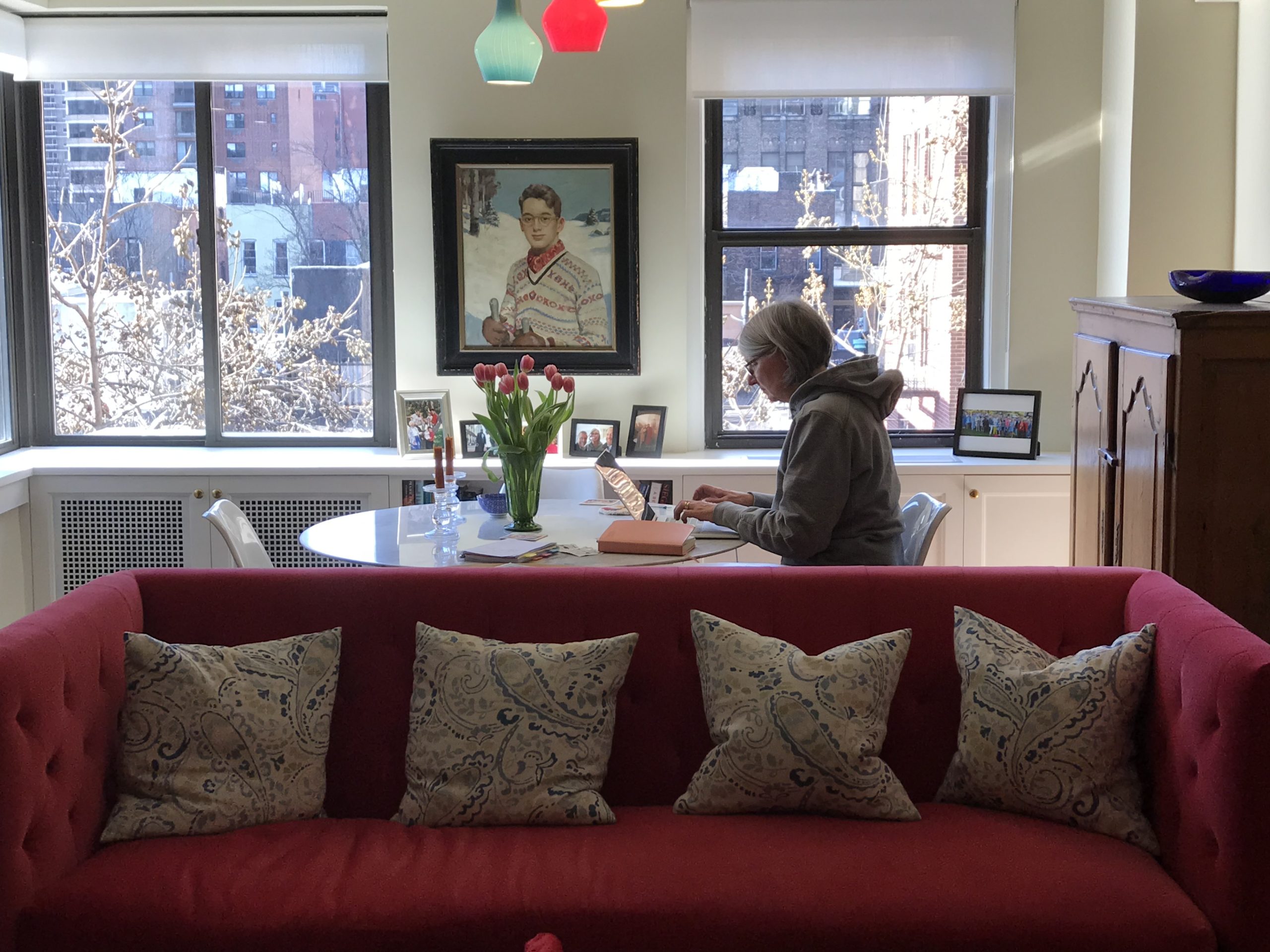
    Louise Penny writes at her dining table. (Photo by Lise Page)


    A funny thing happened on my way to not writing a book.

    I started writing.

    The truth is, I’ve known since I began writing that if my husband Michael died, I couldn’t continue with the Chief Inspector Gamache mystery series. Not simply because he was the inspiration for Armand Gamache, and it would be too painful, but because he’s imbued every aspect of the books. The writing, the promotion, the conferences, the travel, the tours. He was the first to read a new book, and the last to criticize. Always telling me it was great, even when the first draft was quite clearly merde.

    When Michael died peacefully at home in September 2016, I was pretty well spent. Physically, emotionally, and creatively. In French the saying is, tu me manques. Which means ‘I miss you’, but actually, literally, translates into ‘You are missing from me.’ That’s how it felt. Michael was missing from me.

    How could I go on when half of me was missing? I could barely get out of bed.

    I just could not face writing another book. And if I forced myself, the result would be a betrayal of all the previous books, the characters, the world of Three Pines. Of me. It would be a sad way to ruin what I’d created. I’d be writing because I had to, not because I wanted to.

    Now, sometimes, it’s true, a writer just has to sit down, and do it. That’s often the case with me. Some days I’d much rather eat gummy bears and watch The Crown than write. But this would have been different. This would have been going through the motions. Forcing the characters, chocking out some lame plot. My readers deserved better.

    So I spoke to my wonderful agent, and broke the news that I just didn’t think I could write a book. I just didn’t have it in me. I was too tired. Too broken. I’d mend, I knew that. But right then? No. She was wonderful, completely understanding and supportive. And then she had to tell the publishers. She did. And they were fabulous. They agreed that they’d rather have no Gamache book than a crappy one.

    And so, that was the plan.

    I was going to take a year off, to regroup and catch my breath after Michael died. That might have been a lie. In my heart I knew I could never write Gamache again. (And, sadly, would have to give back the next advance.)

    But then, something happened. A few months later, I found myself sitting at the dining table, where I always write. My golden retriever Bishop lying beside me, fireplace on, café au lait in my Vive Gamache mug… opening the laptop.

    I began having ideas—not the usual sort of thoughts of food and vacation, but actual book ideas. Armand began stirring. They all did. I could see them again. Hear them again.

    And I wanted to be with them again.

    I think my desire for distance was not just about exhaustion, but also because Armand was, and always will be, so associated with Michael. I just needed quiet time, to come to terms.

    And then, there he was again.

    I wish I could describe for you the joy I felt. And feel.

    So I quietly, without telling anyone, began writing again. A little at first. Then more, and more. 

    I wrote two words: Armand Gamache

    Then the next day I wrote: slowed his car to a crawl

    And the next day: then stopped on the snow-covered secondary road.

    But I didn’t dare tell anyone. In case I stopped writing. Or the book took a very, very long time to write. The publishers had no idea I was writing. It wasn’t until six months later that I told them. But even then, I warned them the book might not be ready in time. My agent was magnificent. Telling me not to worry. To take whatever time I needed. Stop writing, if I needed.

    And that was all I needed, to keep going.

    I really gave myself permission to just let go and explore.

    I discovered, again, how much I love to write. And, again, what a harbour it is. What would I do with my days otherwise? There are, after all, only so many episodes of Outlander.

    And so Kingdom of the Blind was born. It is the child that was never going to be. But happened. My love child.

    I began the book not with sadness. Not because I had to, but with joy. Because I wanted to. My heart was light. Even as I wrote about some very dark themes, it was with gladness. With relief. That I got to keep doing this.

    Far from leaving Michael behind, he became even more infused in the books. All the things we had together came together. Love, companionship, friendship. His integrity. His courage. Laughter.

    I realized, too, that the books are far more than Michael. Far more than Gamache. They’re the common yearning for community. For belonging. They’re about kindness, acceptance. Gratitude. They’re not so much about death, as life. And the consequences of the choices we make.


    Photo by Mikaël Theimer

    Louise Penny is an international award winning and bestselling author whose books have hit #1 on the New York TimesUSA TODAY, and Globe and Mail (Toronto) lists. Her Chief Inspector Armand Gamache novels, published by Minotaur Books, an imprint of the St. Martin’s Publishing Group, have been translated into thirty-one languages. In 2017, she received the Order of Canada for her contributions to Canadian culture. Louise Penny lives in Knowlton, Quebec. www.louisepenny.com

  • Writing to Perform, and Performing to Write—By Deb Vanslet

    Writing to Perform, and Performing to Write—By Deb Vanslet

    I always go back and forth between telling and writing when I create a story. Below is an audio file and a transcript of that process.


    I write a story by telling a story. I started to call myself a writer when I was around fifty. But in the late 1980s and 1990s, I was a video artist, performing stories for the camera. I discovered a Video 8 camera in a university art class. It was small, easy to handle, tape was afforable, but mostly, I was kind of amazed that the teacher thought that it was a great idea for me to just talk into the camera, confessional-style—it was a genre.

    So I go for it: telling unrehearsed stories about dead pigeons, barking dogs, late night TV, bus trips across the country, and the insanity of Botox, pet hotels, and plastic surgery. Nothing is ever resolved, there’s not much reflection, and I don’t really know what I’m doing.  But that’s part of the magic: it’s a first, and it’s fun, and so unselfconscious. I’m telling stories like hardly anyone is listening, or watching. The finished video, Sick World, is a modest hit at film festivals. I’m still surprised. I make more videos, but now I know that people are watching.

    The last time I told a story on video was in 1996. Sick World 3: the baby. It’s about my girlfriend and me having a baby with a gay sperm donor friend. It’s an unusual story, and it’s even more unusual to talk about it, even though lesbians became very hip in the mid-nineties—the cover of Newsweek, the Ellen show! We got a lot of publicity for being so out about having a child this way. My story practically wrote itself. Practically.

    In 2012, an incredible story unfolds in my life. My aunt Christine dies in the hospital of blood poisoning, a few days after cutting herself on a beer bottle in her small apartment. I’d been close to her as a kid, but she’d been gone most of my adult life, struggling with mental health and addictions.

    When she finally reappeared she’d kicked heroin, but she was never able to really function again.

    Christine’s final year was brutal. She fell three times in her apartment breaking her wrist, her hip, and finally her ankle. Six days after my aunt dies, I get a message from a man looking for a Christine Vanslet. I don’t even have to think about this. I knew right away. This was the son that she had give up for adoption.

    I tell everyone the story. The synchronicity is incredible. 

    People are rapt. 

    “Write it down! You have to share it.”

    I know it’s a special story, especially the ending. But so what? Lots of people have incredible stories. And, I’m not really a writer. I just have a beginning, and an ending. What do I put in between? Stories, as I learned over the years, don’t really write themselves.

    I spot a storytelling workshop with Taylor Tower at the QWF, and she introduces me to Confabulation, Monreal’s monthly live storytelling event. This changes everything.

    I start writing to perform, and performing to write. Working between the two genres is an excercise in finding my voice. My middle-aged voice, maybe I should say my mature voice, even if that’s cliché. I didn’t learn much about putting a story together in the early performance videos; I learned about getting comfortable, becoming acquainted even, with my face, my body, the sound of my voice, and then, of being able to separate myself from that person on the screen. 

    Writing for performance is different than writing for page but it also really informs how I write for the page. My voice is stronger, the writing is looser, playful, more conversational. More me. I can’t get to me just by writing it down. I have to perform it first. 


    Deb Vanslet is a media artist, videographer, and writer. Her independent videos, including Sick WorldWeather Permitting, and Rules of the Road, explore storytelling, performance, and dance. For sixteen years Deb produced and hosted Dykes on Mykes, at CKUT 90.3 FM. Deb is a producer at Confabulation, Montreal’s live storytelling show. She also produces and hosts the Confabulation podcast. She won the 2015 3Macs carte blanche QWF prize for her short story Self-Serve, and published Ghost Station in the Queer Perspectives edition of The Malahat Review. Deb is the production coordinator at Ada-X, a feminist artist-run centre.

    Photo credit: Liz Miller (headshot)

  • Writer vs. Editor: The Showdown Within—By Malcolm Fraser

    Writer vs. Editor: The Showdown Within—By Malcolm Fraser

    The relationship between writer and editor is complicated, fraught, an emotional and ethical minefield ready to detonate and splatter the room with shattered egos at any moment.  I would know—I witness this brutal conflict from both sides on a regular basis. (And right now, my editor side is telling my writer side to chill the hell out with the over-the-top imagery.)

    I’ve been a writer since I could speak; I started making up stories, and unlike most kids I just never stopped. My dad is a writer, and his father was too—I guess it’s the family business. And since high school, when there were yearbooks and school newspapers that needed staff, I’ve also been an editor. If I’m being honest, I think my attraction to editing is probably a manifestation of OCD, or just uptightness—I just really don’t like mistakes, and I always feel a compulsion to fix them. Everything else is just finessing details.

    The first time I worked as a professional writer was in 1999. Conrad Black had founded the National Post and was raining money on an old-fashioned newspaper war with The Globe and Mail. One of his projects was rebooting the moribund Saturday Night magazine as a weekly insert in the Post. Adam Sternbergh, today a novelist based in New York City, was hired to edit the front section, which he envisioned as a collection of eccentric tidbits. He approached me to contribute after a mutual friend showed him one of my zines. I would pitch him ideas, and he would always pick the weirdest ones, like a found poem made of notes I’d seen inside a parking lot attendant’s booth. The pay was good—without getting into numbers, let’s just say that a single-line gag (about how Toronto’s Anarchist Free School was not, in fact, free of anarchists) paid me more than twice what I’m getting for this entire article. As I write this, nearly every sentence reads like a snapshot of a bygone era; at the time, I figured my career would just grow from there—little did I know!

    (Right now, my inner editor is asking whether all this detail is important; my inner writer insists that it adds context and colour to the story.)

    Just as the era was, in retrospect, impossibly freewheeling and prosperous by the standards of our current Darwinian capitalist dystopia, Adam was the kind of editor you’d dream of having, but rarely actually end up with. His notes would always lead with praise, then get into constructive, actually helpful suggestions for how I could flesh out my ideas to make them better. I try to follow his example, though I don’t always succeed.

    As an editor, I want to respect the writer’s voice, but sometimes you have to do some heavier lifting. You might be surprised at the state of the raw copy that comes in from some professional writers, even some you might have heard of. As much as I like to encourage good technique, the truth is that if you have a strong voice and a solid area of expertise, that can be much more valuable in a career than writing chops per se—as long as you are okay with trusting your editor to clean up your mess.

    Some editors will just change your copy without asking. Needless to say, as a writer that always bugs me, except on the odd occasion when I can’t deny that it has improved on the original. For example, when I first moved to Montreal, I did some writing for a fashion magazine that was essentially just the vanity project of some rich douchebros. My editor, frustrated with his publishers’ demands for low-quality content, had assigned me a piece about how TV is really great, or something (the details are a little fuzzy in retrospect). He ended up rewriting it to the point where it was much more his piece than mine, but secretly I had to admit that what he wrote was funnier.

    A few years later, I was working as an editor at the alt-weekly Montreal Mirror. A writer submitted her review very close to the deadline, and I rewrote some of her copy at the last minute. She was not happy and went over my head to complain to the editor-in-chief (pro tip: this is a risky move), who gently advised me to take it easy with my on-the-fly rewrites. I was extremely irritated and bitched about it to a few close people. When I told my dad, after a pause he said, “Yeah, I used to spend as much time writing angry letters to my editor as I did writing the article.” It was only then that I began to perceive that I might have been in the wrong. I regret my actions now, but I console myself that if my most heinous editorial sin was a misguided rewrite of a Jim Carrey comedy review for a now-shuttered paper, it could be worse.

    So I always try to look at things from both sides, the writer’s perspective as well as the editor’s. I have to, because I never know which side I might end up on. Last year, I found myself assigning and editing an article by my former editor at the long-gone fashion magazine. And one of the writers I hired at the Mirror is editing this very piece that you’re reading right now. I hope she’s not too hard on me. It’ll be in on time (pretty much) and at the right word count (more or less). After all, I am a writer: a neurotic ball of insecurity, sensitivity, and need. Just the kind of writer my inner editor can’t stand, really. But that is a story for another time (specifically, the next time I can afford therapy).


    Credit: Daniel Lafleche

    Malcolm Fraser is a writer, musician, and filmmaker based in Montreal. His book Wooden Stars: Innocent Gears was published by Invisible Publishing in 2013. Malcolm is currently Associate Editor with Montreal Review of Books.

  • Keep Calm, Shut Up, and Write—By Lea Beddia

    Keep Calm, Shut Up, and Write—By Lea Beddia

    One full-time teaching job (hybrid online teaching included), three school-aged children (complete with homework, lunches and the occasional emotional meltdown), and one pandemic (anxiety I never thought I’d have, a bonus). Add a house to help maintain, and there’s no time for a creative outlet. It’s enough to turn me into a Netflix zombie. You may be busy like me, but even if you’re not, you may find your creativity stifled, vacuum-packed, and freeze-dried during this whole soul-sucking, stay-at-home-and-don’t-come-out situation. The state of the world is so real, yet surreal and heart-breaking, that my aspirations for all my wonderful ideas and plots are twisted up with anxiety, sleeplessness, and an obsession with watching the news. Enter Shut Up and Write.

    Shut up and Write: the name says it all. We really just shut up and write, for twenty-five minutes at a time followed by five-minute breaks. I don’t know about other writers, but in twenty-five minutes of absolute silence, with nothing but focus and my fingers tapping away, I’m more productive than during a full weekend in front of the television with my kids on my lap spilling popcorn all over me. It’s such a great stress-reliever to know I’m prioritizing myself ahead of my to-do list. I commit to be present when all my best-laid schemes have gone awry, and it’s the only chance for the stories swarming my head.

    I myself never attended the in-person sessions. I live an hour out of the city, and taking a Saturday morning away from busy mom life was not feasible. But since the sessions have moved online, we’re only limited to the distance our laptop charges will allow us to roam. I started attending after my QWF mentorship ended last June. I was so close to finishing what I had started and needed a little extra push to get my manuscript done. The result, for me: a manuscript completed and queries written.

    More importantly for my soul and morale, however, are these tenacious people, who like me, are ignoring real life for a little while to meet online and pursue personal or professional writing. Every time I sign up for a session, there’s this excitement: I’m going to see other people, and they’ll be writing, because their writing is important to them, too!

    I miss meeting with my writing critique group: an ensemble of talented, funny women who I met during a workshop, now almost two years ago. We still keep in touch, but each of us admits to lacking the energy and/or time for our writing, because “How can I not place my family, health, work, fresh air, and rabbit hole of online shopping ahead of writing?”

    SUAW is my antidote to isolation. I have something to look forward to in a time with no appointments or visits. I’ve found a community of writers willing to have my face in a two-inch square on their screen for two and a half hours a few Saturdays a month. Loneliness is at bay when I write during these sessions. There’s camaraderie in knowing we’re all struggling for time to be creative. I am grateful for the connections I’ve made.

    In our five minutes off, we chat, and in a short time, we share what we’re working on, or talk about recipes and make each other laugh. We’re all starving for positive human connections to people with a common interest and here it is, at my fingertips! When those five minutes are up, I’m like a superhero, relinquishing the destructive powers of procrastination because I’ve got twenty-five minutes to make the rest of my story shine, or at least get it from my head to my screen. Good enough.

    We may all be “Zoomed-out” and tired of hearing “You’re on mute” or “Can you mute yourself, please?” But to be honest, I kind of like it when someone forgets to turn off their mic and I can hear their keyboard clicking. It’s not a race, but it gets me going every time.


    Lea Beddia is a high school teacher, writer for young adults, and mom of three. She grew up in Montreal and now lives in the woods, on top of a mountain. She’s published short stories for young and old and you can find her work @LeaBeddia or www.leabeddia.com. In her free time (those rare, glorious moments), you can find her with her nose in a book, tuning everything out.

    Photo credits: Header banner is licensed under CC BY-NC-SA 2.0; Sarah Fortin Photographe (headshot)

  • Realists of a Larger Reality (Or Why I Read and Write Science Fiction)—By J. DeLeskie

    Realists of a Larger Reality (Or Why I Read and Write Science Fiction)—By J. DeLeskie

    I started reading science fiction young, before realizing it wasn’t suitable material for a girl with aspirations of fitting in with her fourth-grade contemporaries. It was the genre my dad and older brother favoured, and the surfaces of my childhood home were littered with paperbacks with lurid covers: a dinosaur riding an ichthyosaur across the desert (Jack Chalker’s Midnight at the Well of Souls); or a humanoid cat glowering over a worried-looking, two-headed tripod (Larry Niven’s Ringworld). Who could resist opening these books to see what tales lay inside? Not I.

    I soon discovered that the sex scenes in these books were way more interesting than the chaste kissing and petting the kids at Sweet Valley High were up to (albeit in a Dürer’s Rhinoceros sort of way; in retrospect, many of these old-school SF authors did not appear to possess firsthand knowledge of female anatomy or— you know—the actual mechanics of sex). Soon I was hooked, and not just for the salacious content. When the reality of being an introverted, slightly awkward kid attending Catholic school in rural Ontario became unbearable, I’d escape to Arrakis and lose myself in the messianic journey of Maud’Dib, or follow the adventures of a resurrected Richard Burton (the explorer, not the actor) as he searched for the source of the great river on Riverworld.

    By my teens, I contained within me an archive of worlds, characters, concepts, and stories that enriched my life immeasurably. The trade-off—a sense of not quite existing on the same planet as many of my peers—was worth it, even if it didn’t always feel that way. Not only did science fiction provide escape, it was an antidote for religious indoctrination, challenging the conservative, Catholic vision of the world I had been raised to accept as my own. My allegiance was to a universe far bigger and weirder than anything Christian dogma could encompass.  

    At some point in my early twenties, however, I stopped reading science fiction. I lost patience with the flat characters, clunky prose, and outright misogyny that typifies so much of the genre. My reading began to veer toward realism and non-fiction. In retrospect, I think I was trying to accept the world as it was, to put away childish things. I went to law school, got married, had kids, and embarked on a career as a corporate lawyer. I felt I no longer had the luxury of questioning the world as it was; my job as an adult was to succeed according to its metrics.

    Yet gradually, as my kids grew older and began asking the thorny questions that kids ask, I started to wonder if my acceptance of things had gone, perhaps, too far. It took a few years, but I managed to find my way out of the corporate cul de sac. And slowly, I found science fiction again. I rekindled a childhood love for Ursula K. Le Guin and was dazzled by her ability to imagine less destructive ways of organizing society. I read Octavia Butler for the first time and was astonished by her depiction of society collapsing into a racialized dystopia— and then being rebuilt, one community at a time. These authors and others—Marge Piercy, Kim Stanley Robinson, Corey Doctorow, Karel Čapek, etc.—eroded the shell of cynicism I’d formed over my conscience by insisting that there was nothing inevitable about environmental degradation, white supremacy, capitalism or misogyny.

    Thus, when I decided to try my hand at writing, it was science fiction that called to me. I’m now in final revisions of my first novel, Everclear, a coming-of-age story set in the near future in northern Quebec. The act of imagining this future feels laden with responsibility, and I’m attempting to construct this story with great care. I believe firmly that our words bring potential worlds into being.

    In her brilliant and fearless acceptance speech at the 2014 National Book Awards, Ursula K. Le Guin put out a call to “realists of a larger reality” who “see alternatives to how we live now and can see through our fear-stricken society […] to other ways of being, and even imagine some real grounds for hope.” The call is increasingly being answered by Indigenous, Black, and LGBTQIA writers of science fiction such as jaye simpson, Cherie Dimaline, Nnedi Okorafor, and N.K. Jemison— writers who, because of their lived experiences, assemble the pieces of our shared reality in unexpected ways. To me, this is the opposite of escapism; it’s an invitation to see the world with new eyes and answer the moral imperative this vision affords us. This is why I read science fiction, and why I write it: not to escape this world, but to re-imagine it.

    And, of course, for the cringy sex scenes.

    Suggested Reading List

    Love After the End: An Anthology of Two-Spirit & Indigiqueer Speculative Fiction, edited by Joshua Whitehead, 2020

    The Dispossessed: An Ambiguious Utopia, by Ursula K. Le Guin, 1974

    Woman on the Edge of Time, by Marge Piercy, 1976

    The Parable of the Sower, by Octavia Butler, 1993

    Ministry for the Future, by Kim Stanley Robinson, 2020


    Jennifer DeLeskie is a former lawyer and new writer, currently revising a draft of her first novel. Her non-fiction piece, “April 2, 2020,” will appear in Chronicling the Days (Guernica Editions), forthcoming in Spring 2021. Jennifer volunteers on the board of the Quebec Writers’ Federation.

    Photo credits: Header banner is licensed under CC BY-SA 2.0; Annabel Simons (headshot)

  • Writers Need Libraries; So Do Our Children—By Deborah Ostrovsky

    Writers Need Libraries; So Do Our Children—By Deborah Ostrovsky

    Not long ago, during the Before Times, I received a small award to pursue a non-fiction project. I planned to dedicate an entire week, maybe two or three, to writing without interruptions.

    The morning I opened my laptop to begin—it was World Book Day, which seems ironic now—I found an email from my daughter’s primary school. They needed a parent to volunteer at the library.

    Our primary school is fortunate to have a library at all. Many schools don’t have libraries. A primary school a few blocks from ours recently turned their library into a supply closet. Over 20 per cent of Laval’s public schools are without libraries, or enough books in classrooms.

    Radio-Canada reports that a quarter of all school boards in Quebec don’t have librarians. Our library is run by volunteers. We shelve. We search for lost books. Like a team of amateur first responders in an emergency room that should be staffed by qualified surgeons, we learn to repair the broken spines of bandes dessinées from video tutorials.

    The email from the school said that a few classes hadn’t been able to borrow books for months. Could you come today, maybe now, to turn on the computer and let the kids finally take some out?

    So I did what any emerging writer starved for time to write would do. I closed my laptop. I put on my coat. I rushed to the school. I stayed all morning and returned in the following weeks until the pandemic shut everything down. 

    Writing, editing, and translating are jobs that can sometimes feel easy to walk away from. This is especially so when other urgent business gets in the way—like helping to provide literacy and library resources for kids when neoliberal education budgets consistently sap them dry.

    It’s overwhelming to try and comprehend all the ways the arts, books, and writing are shaped by government policy. Even more overwhelming is the thought of my own personal luck at being born at the twilight of a golden age of state interventionism—right before the neoliberal assault on education. The idea of dedicating a life to writing would have never been possible for someone of my family’s background without policies that made public libraries, and librarians, part of every school.

    “Books have their sources in, are made from readers (would-be writers) reading other people’s books,”muses Kate Briggs in her book This Little Art. “All books are made from other books,”she writes. Anything I have ever written, then, has come in some way from other books, and in turn from a childhood of reading books that had date due slips glued to the back cover, and which were tucked under my pillow at night. The stories within these books made their way into my dreams. These books were always borrowed. They belonged to my public school.

    Now school libraries only open when parents have the income and the time to spend mornings taping together torn pages of Astérix.

    It’s okay, a parent told me a while ago when we talked about this. We have plenty of books at home.

    Lucky you, I thought. And what about those who don’t?  

    Lucky me, though. I get to write. It’s a privilege, in today’s economy, to do this thing with my life. But access to a school library should be a right, and not a privilege. The deep connections between my privilege and this right are buried somewhere within the early manifestations of my own creative desires over which I can take some measure of ownership; but they were undeniably helped along by state policy, making it possible for the artistic inclination and writerly imagination to be fostered by something other than luck, wealth, or family. It can’t be denied. My writing life is a result of private ambitions but also public will.

    For now, I’ll keep writing until the school library finally reopens, when the pandemic is under control. Then the school will call and say that they need somebody to help the kids take out books. I should really say no, and stay at my desk, to avoid more interruptions.

    But I will say yes. I will do this until something in the system changes radically, so kids can get their hands on more books. Maybe some of those kids can write in the future, too. In the meantime they’re waiting, hopefully not for long.


    Deborah Ostrovsky is an editor, writer, and translator. Her work has been generously supported by the Barbara Deming Memorial Fund, the Marian Hebb Research Grant, the Banff Centre for Arts and Creativity, and the Writers’ Trust of Canada.

    Photo credit: Gopesa Paquette